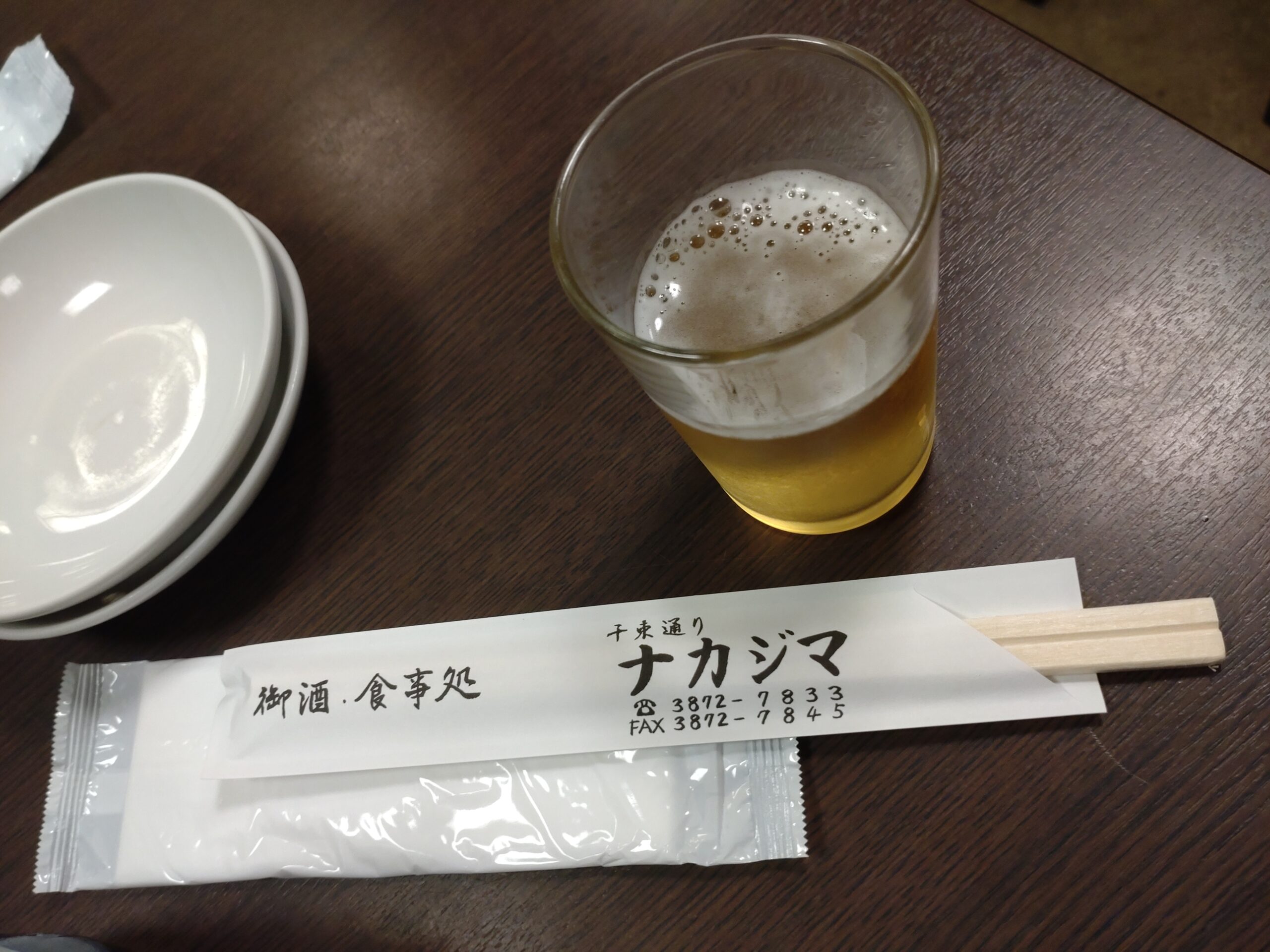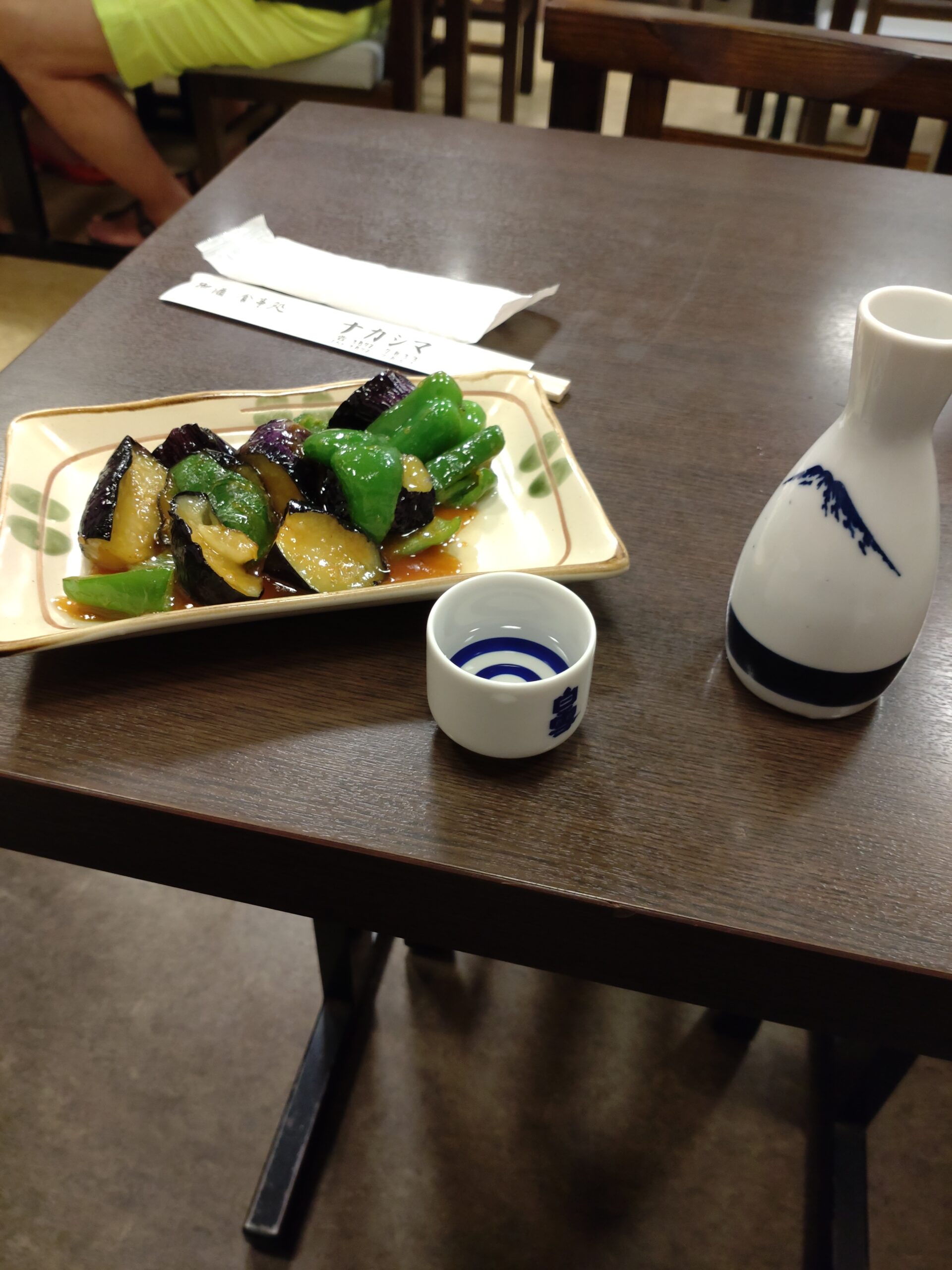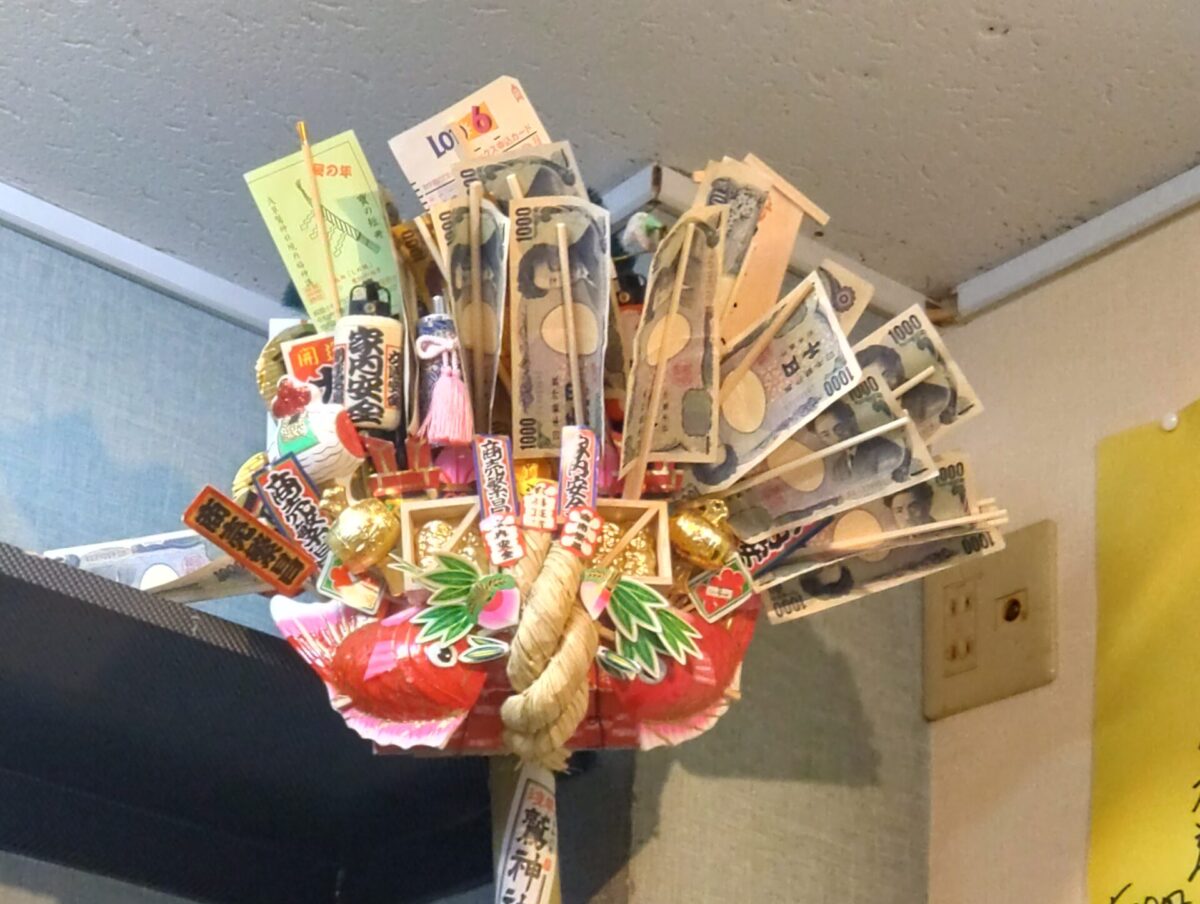
It is a combined teishoku diner and pub so utterly perfect it feels as though it were pulled straight out of an NHK drama series. You could easily mistake it for a studio set—even the customers and staff, young and old alike, feel as if they were stage actors placed according to a script. It is so seamless, yet so artfully staged, that you get the illusion of being an extra who just happened to wander in off the street. In short, it gives you the sensation of having slipped back in time to Japan 50 years ago.
When I first moved to Tokyo 40 years ago, shops like this—reminiscent of an NHK drama—were everywhere. But what about now? Perhaps they only remain in places like Asakusa.
Just the other day, I saw a town strikingly similar to this in Yokosuka. It was the Misaki-dori shopping street, a semi-deserted covered arcade where a few old diners and soba shops dating back to the Taisho era were still in business. Sensoku-dori shopping street, however, has managed to survive in its post-war Showa form to this day, thanks to its high population density and its location on the periphery of a major tourist hub like Asakusa.
Sumida Ward has the Edo-Tokyo Museum, and Osaka has the National Museum of Ethnology. I cannot help but feel that, in the near future, streetscapes like Sensoku-dori and the back alleys of Yoshihara will end up permanently preserved in museums just like those.