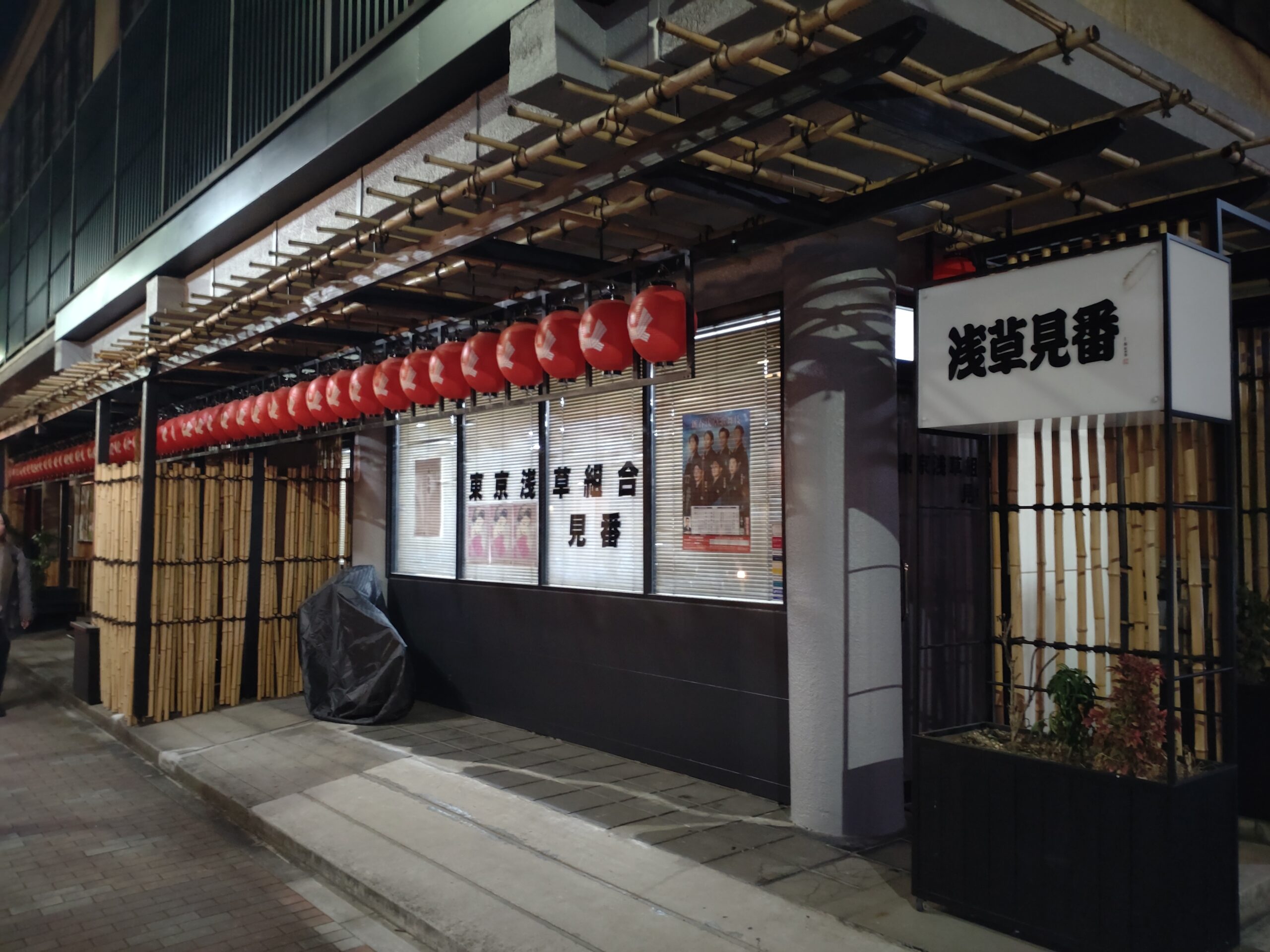
Asakusa Kemban
The term kemban literally referred to a military sentry, but in the pleasure quarters, it was a guardhouse used to keep an eye on geisha and courtesans (oiran) who had been sold to brothels, ensuring they did not escape. Because these guardhouses also managed the dispatching of geisha, escorting them to and from engagements, and processing their fees, they gradually evolved into something resembling a labor union or guild for geisha, male entertainers (hokan), and brothel operators.
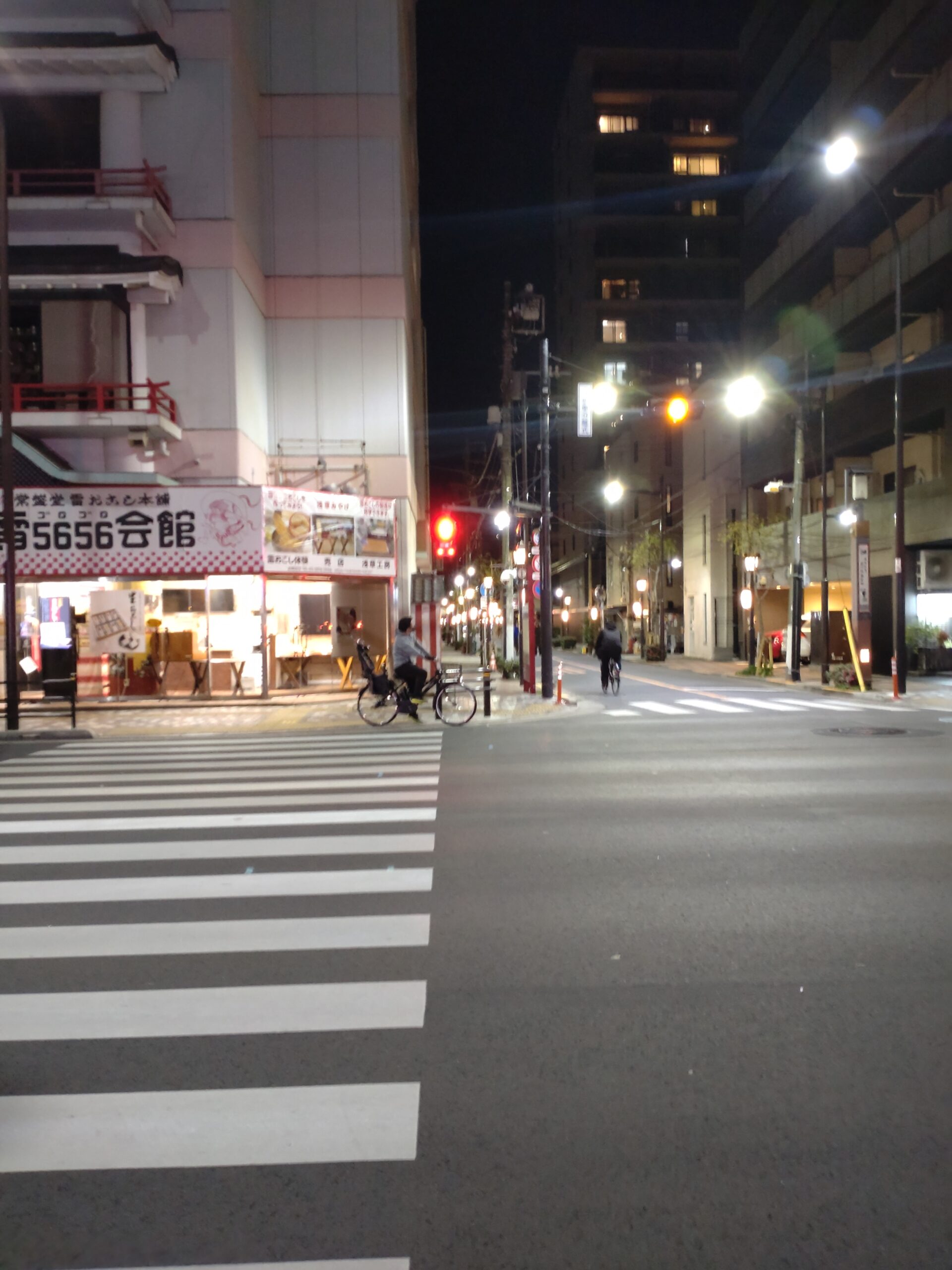
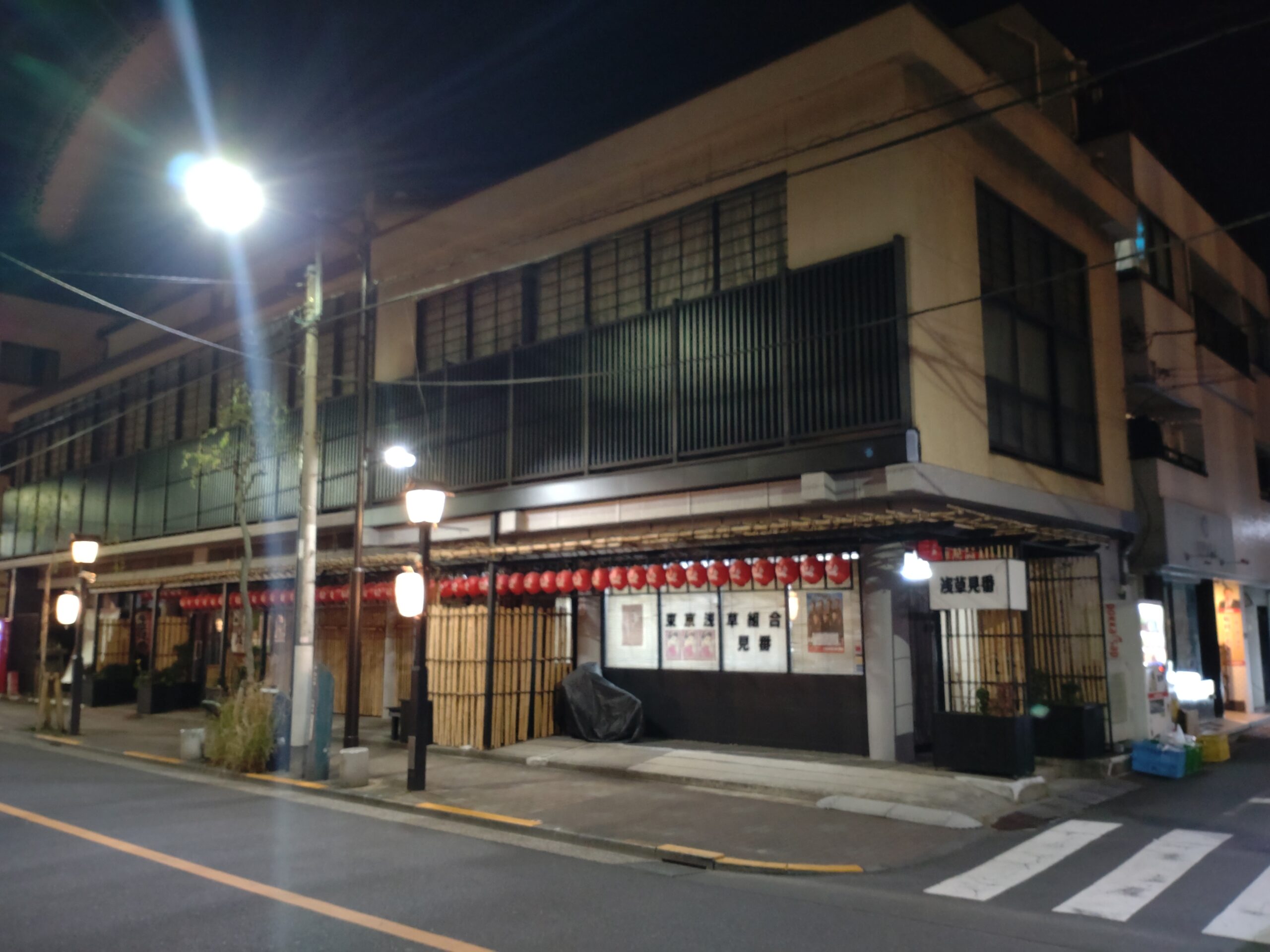
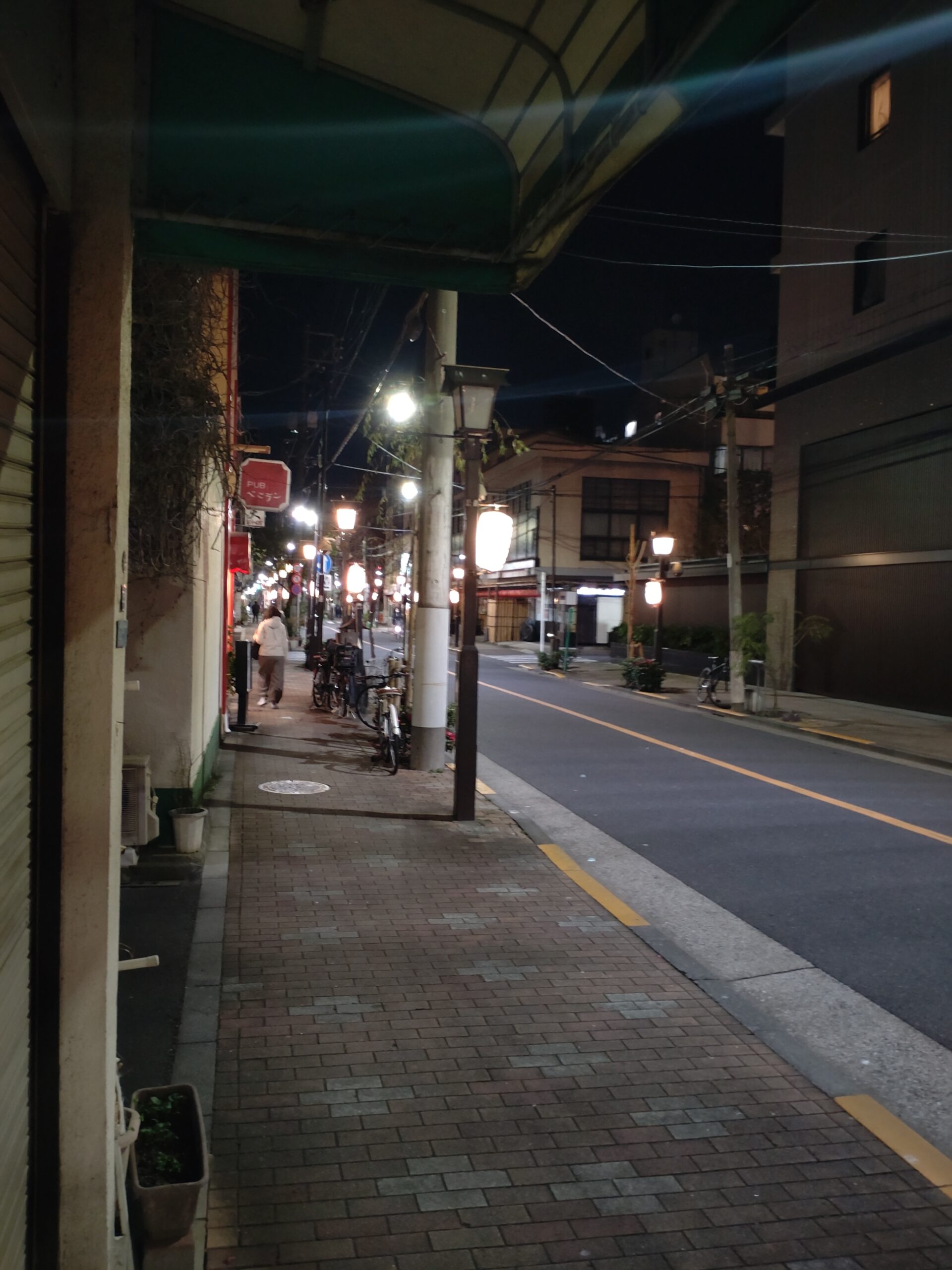
Today, the Asakusa Kemban, located north of Senso-ji Temple behind Kannon-do Hall along Yanagi-dori (Willow Street), stands as a remnant of this history. This street leads directly from Asakusa to Yoshiwara.
I never partook in geisha entertainment, let alone visited the Yoshiwara pleasure district. Consequently, I truly know next to nothing about Asakusa geisha. However, I did gather that if you genuinely want to experience geisha entertainment, the way to go is to become a regular at a local pub in the area and rely on connections made there. Of course, I imagine separate geisha tours are readily available for first-time tourists.
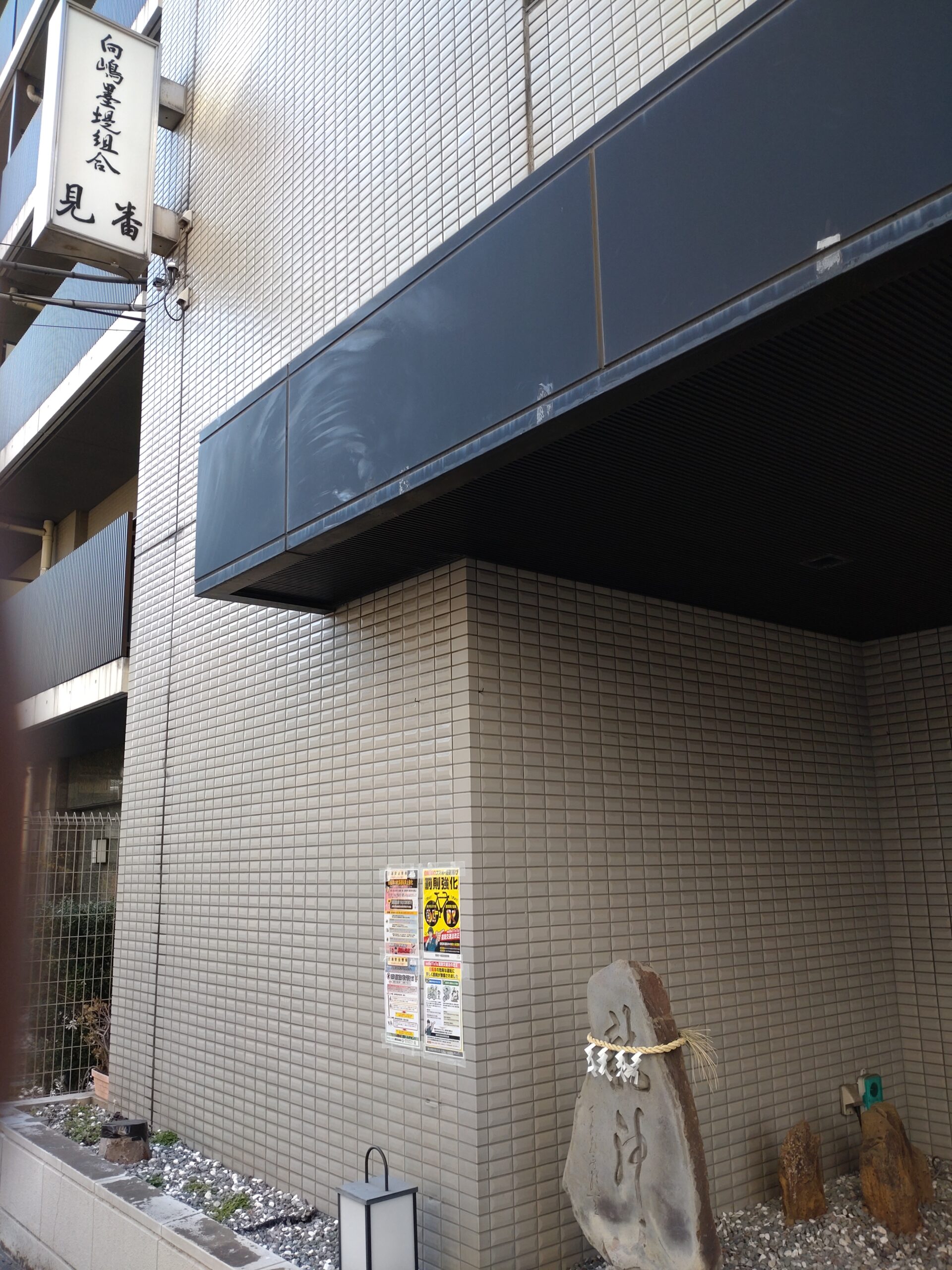
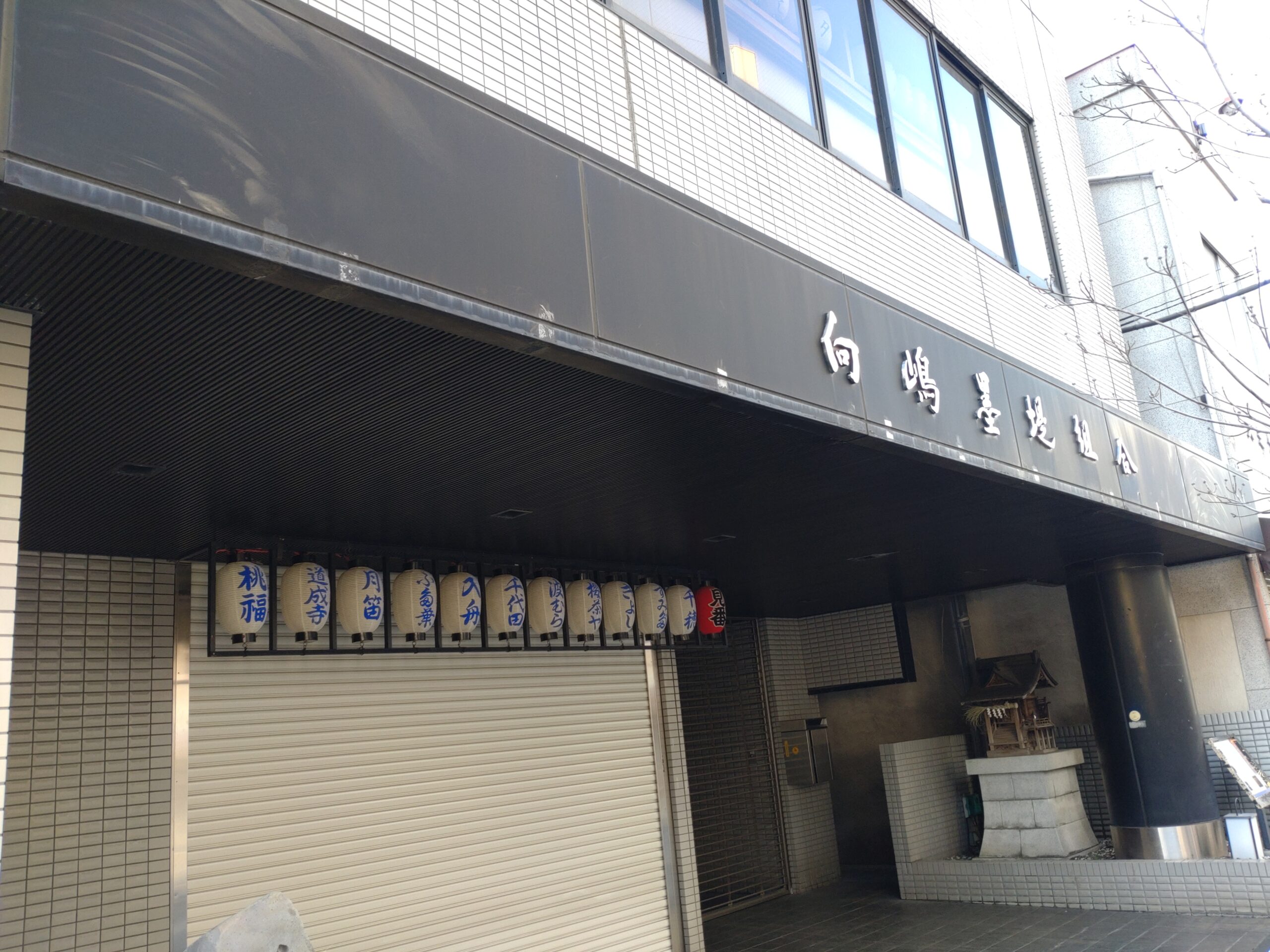
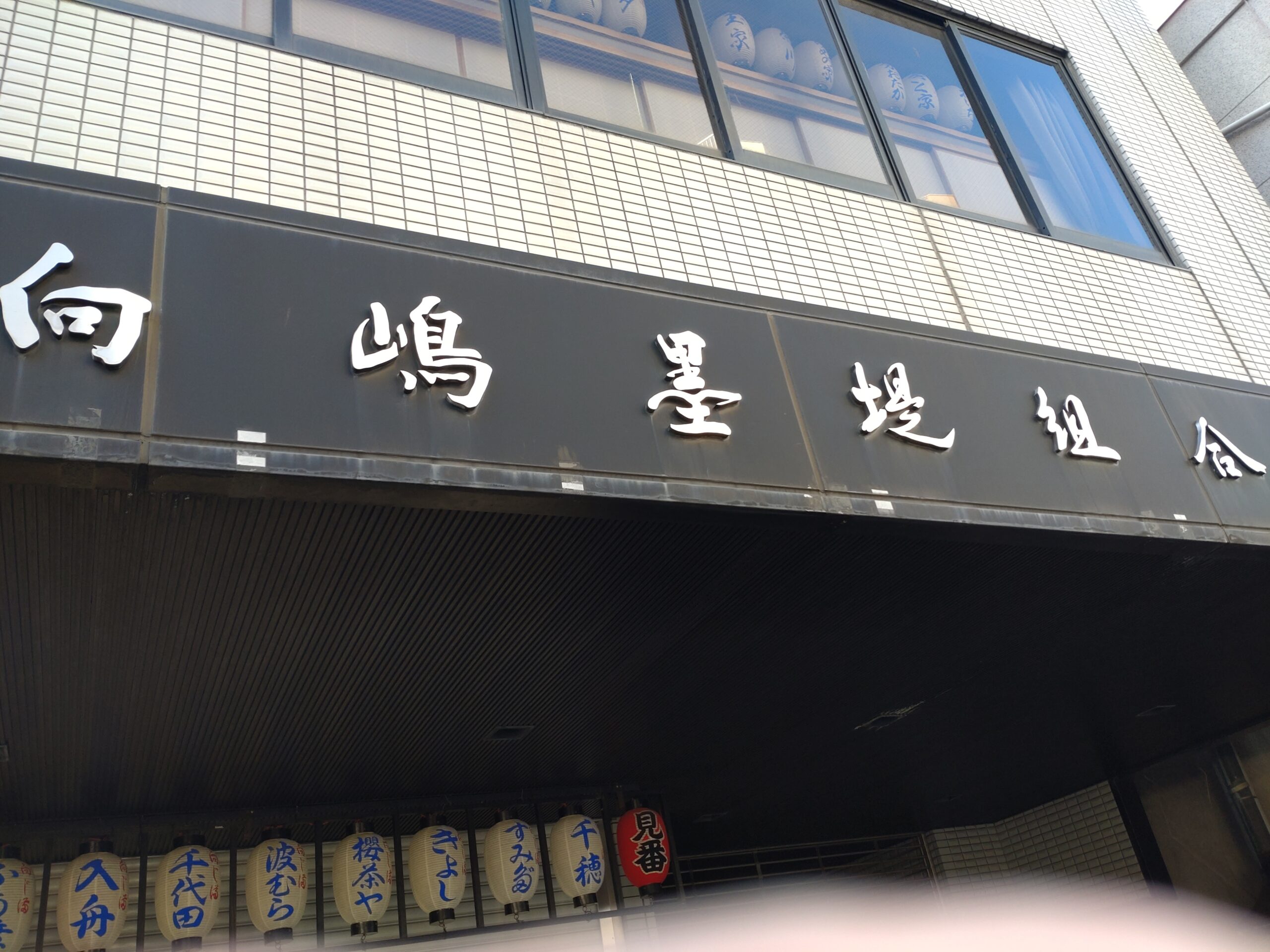
The reason there is another kemban in Mukojima—across the Sumida River to the east of Asakusa—is that brothel districts fled to Mukojima in the wake of events like the Great Kanto Earthquake. Today, this kemban goes by the name Mukojima Bokutei Kumiai (labor union by the Sumida river).
For convenience, I am also quoting the AI-generated explanation here:
A Kenban is the administrative headquarters and dispatch center for geisha in a traditional kagai (geisha district). It manages bookings, scheduling, accounting, and overall operations for the local geisha community.
Key Roles & Functions
- Dispatch & Scheduling When a traditional restaurant (ryotei) or venue requests geisha entertainment for a banquet, the Kenban coordinates with the okiya (geisha lodging houses) to assign and dispatch the geisha.
- Accounting & Billing It precisely tracks the time geisha spend at banquets to calculate their fees (hanadai or gyokudai) and manages billing between customers, venues, and the geisha.
- Training & Governance Most Kenban buildings house rehearsal spaces where geisha practice traditional arts, including dance, shamisen, and traditional instruments. It also maintains professional standards and etiquette within the district.
Asakusa Kenban
Located near Hanayashiki Amusement Park in Asakusa 3-chome, the Asakusa Kenban is operated by the Tokyo Asakusa Association and remains an active hub today.
- Active Cultural Hub: It serves as the primary training and organizational facility for Asakusa’s practicing geisha.
- Public Events: While generally not open to the general public, it occasionally opens its doors for cultural performances, geisha experience events, and local neighborhood festivals.
The term originates from the Edo-period kenbansho (inspection and registration offices), which overseen and regulated geisha services.
Kannon-ura
Given this historical background, Kannon-ura—the area behind Kannondo Hall and the gateway to Yoshiwara—holds a quiet, mystical allure for locals and foreign visitors alike.
Gathering whatever curiosity I had left past the age of sixty, and armed with the self-justification that I deserved to indulge in what I loved before my time came, I lived there for about a year and a half. Those were truly happy and precious days.
Privately owned izakaya are scattered throughout the residential streets. A small few even date back to before the war, though most are newer. Yet every single one carries on the spirit of Asakusa, a neighborhood rich with centuries of history. They offer an experience you simply cannot find anywhere else in Tokyo—whether in Shinjuku, Shibuya, or Ueno.