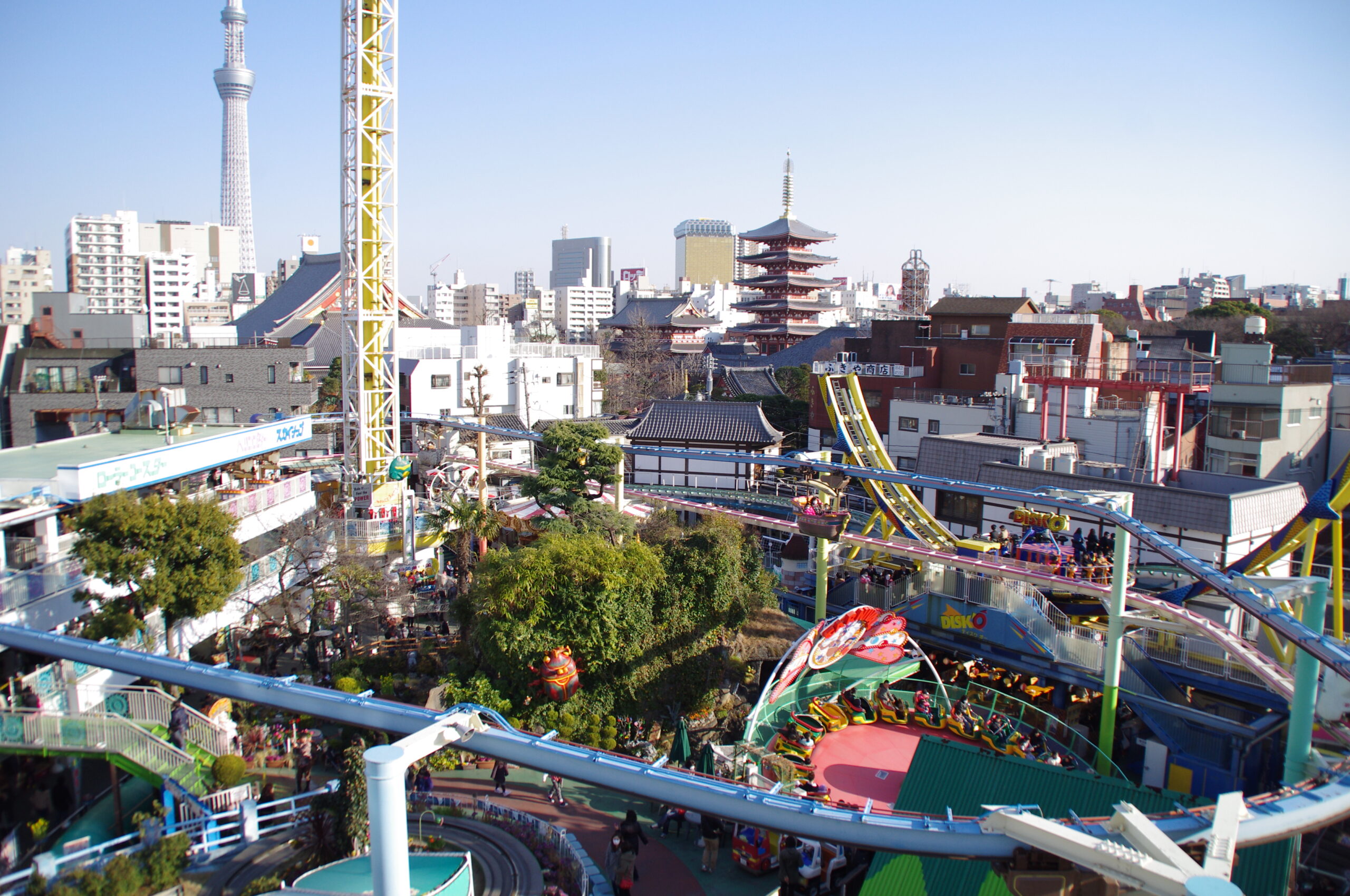
To address the shortage of public parks in Tokyo, the Meiji government audaciously took a highly unique measure by converting religious sites, such as Ueno Kan’ei-ji Temple and Asakusa Sensō-ji Temple, into public parks . As a result, Kinryuzan Sensō-ji Temple came to be known as Asakusa Park. Even after the land was returned to Sensō-ji Temple following World War II, the area continued to be referred to as Asakusa Park. In his diary, Danchotei Nichijo, the author Nagai Kafū wrote about having lunch at a restaurant called Arizona Kitchen in Asakusa Park. Furthermore, to aid postwar reconstruction, Sensō-ji Temple repurposed parts of its precincts into commercial facilities. The Hyotan-ike (Gourd Pond) was filled in, giving rise to the Shinsekai amusement complex (it must have been modeled after the one in Osaka), the Nishi-Sando (west approach) Shopping Street, and Hatsune Koji Alley.
Actually, the Western-style restaurant Arizona was also built within the Nishi-Sando Shopping Street, but it has since closed down.
Hyotan Pond was filled in in 1951, and Hatsune Koji (first chirp alley) was created in 1958—three years after the Asakusa Underground Mall was established. Originally, it is said that a refreshing wisteria floribunda canopy (藤棚) covered the Hatsune alley, but they were finaly removed in 2022.
The name of Hatsune Koji in Yanaka originates from the fact that the area was once called “Hatsune no Mori” (a forest of the first chirp), where bush warblers (uguisu) sang. This is also related to the place name Uguisudani (i.e., a valley where bush warblers are singing). While the Hatsune Koji in Yanaka grew out of a postwar black market, the one in Asakusa was likely modeled after it. At the time, people must have been able to hear the first chirps of the bush warblers in the adjacent Hanayashiki amusement park, Dembō-in Temple (in Meiji era it was called Asakusa Public Garden, but it was reconstructed in 1902), and the grounds of Sensō-ji Temple. Even today, Sensō-ji Temple remains the landlord of the cozy shops lined up here.
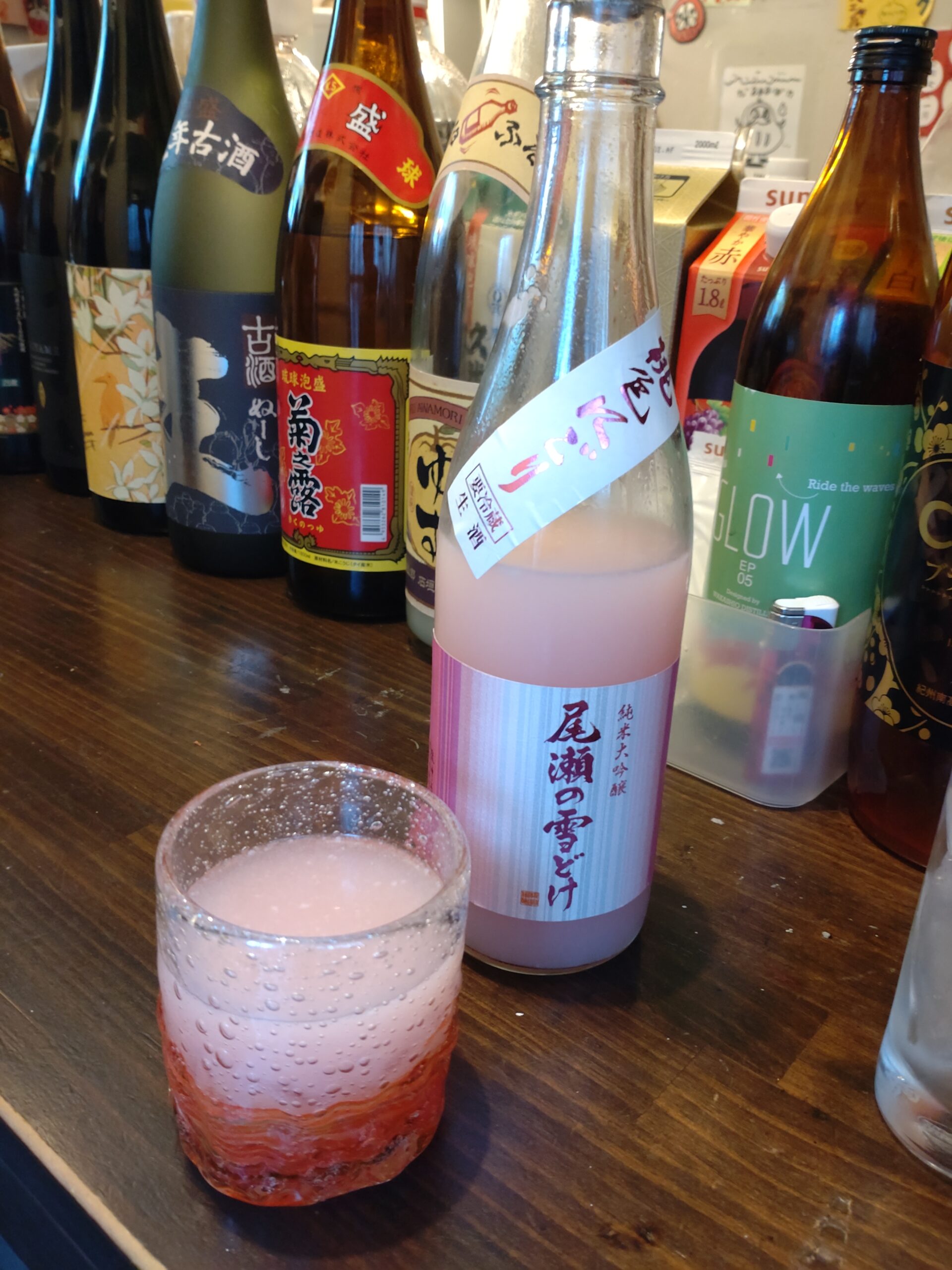
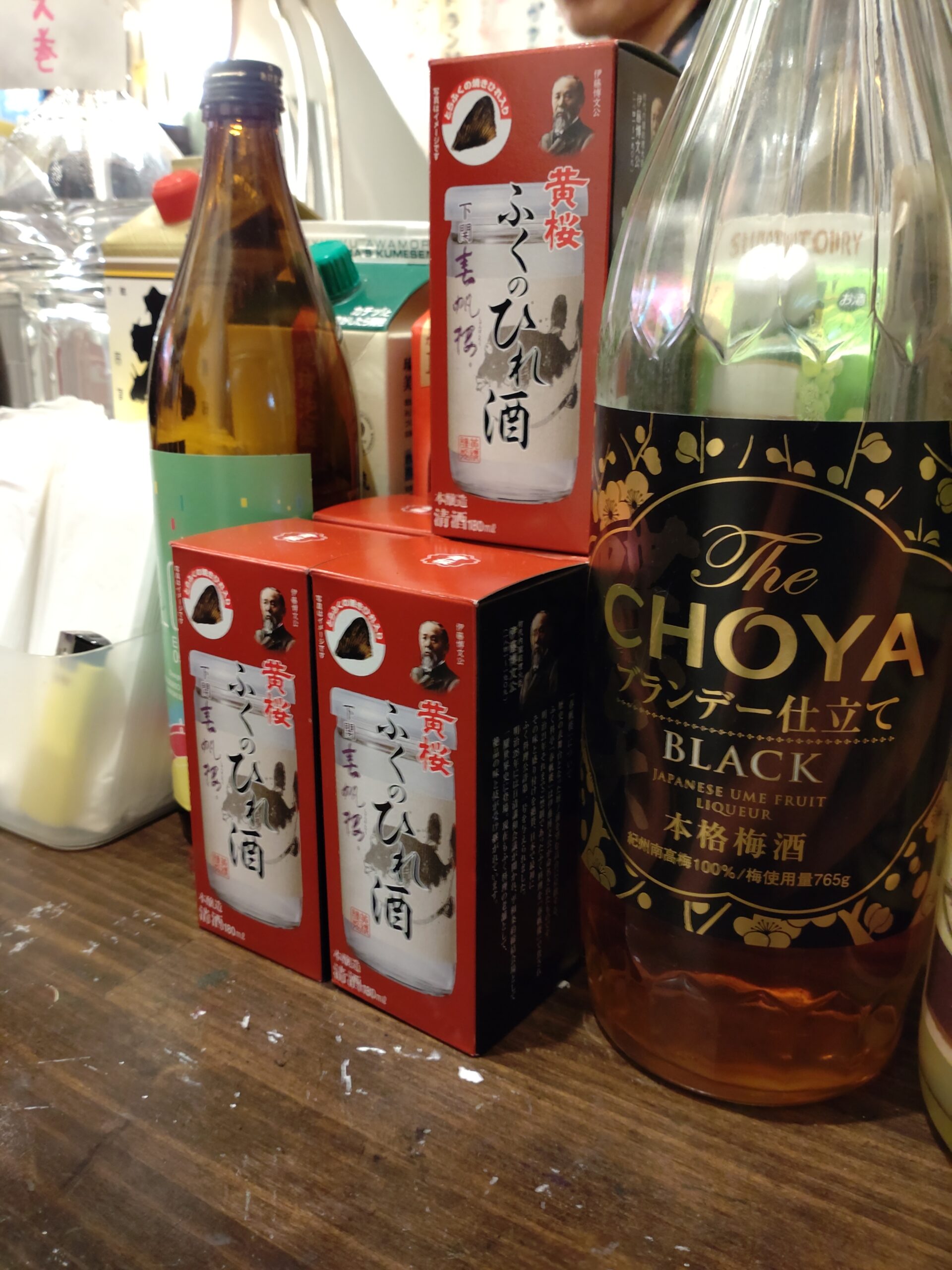
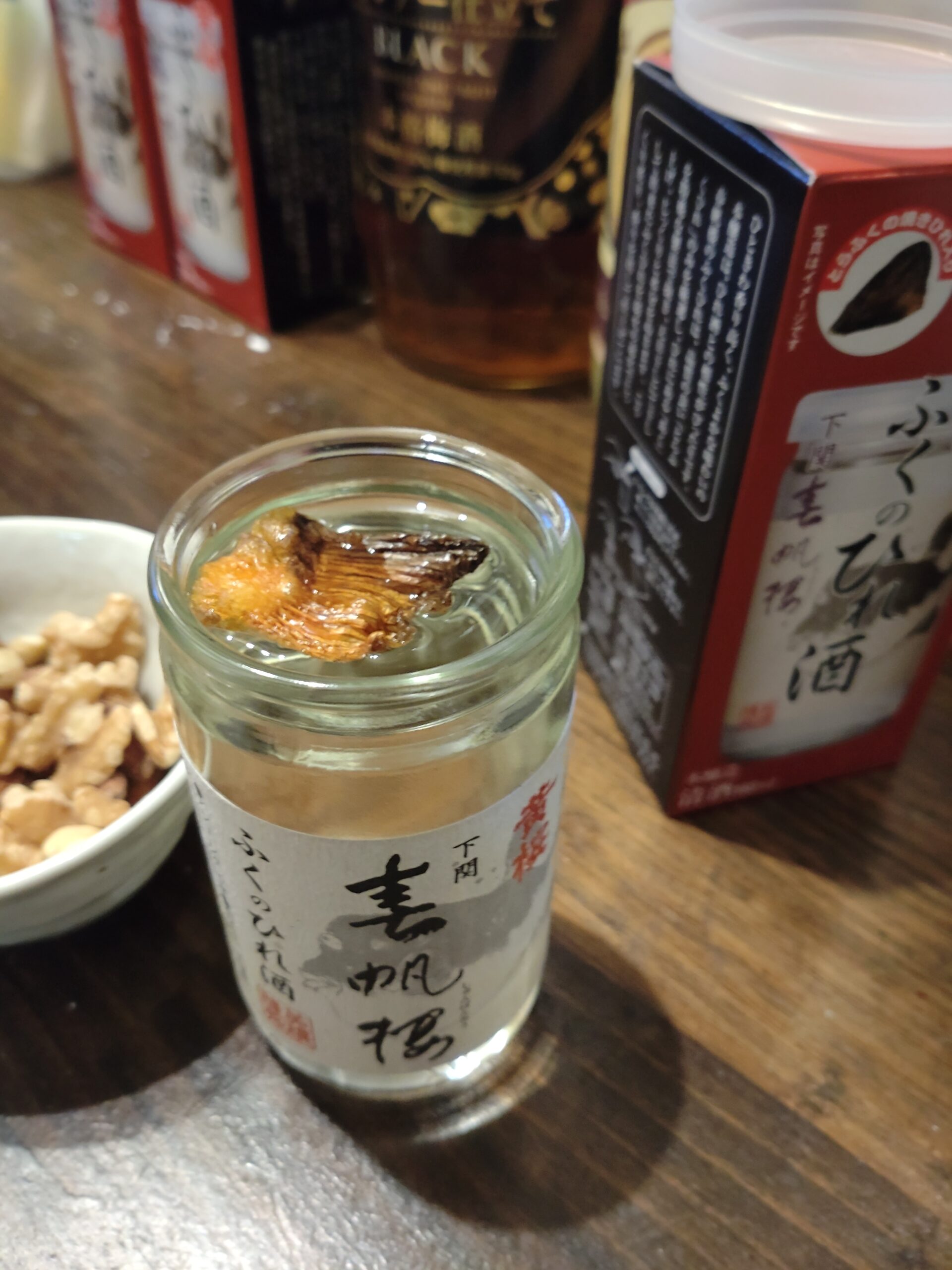
Daruma is one such shop where you can still feel the atmosphere of the postwar black market. The owner is from Okinawa and performs a dance at the Asakusa Samba Carnival every year.
Beverages