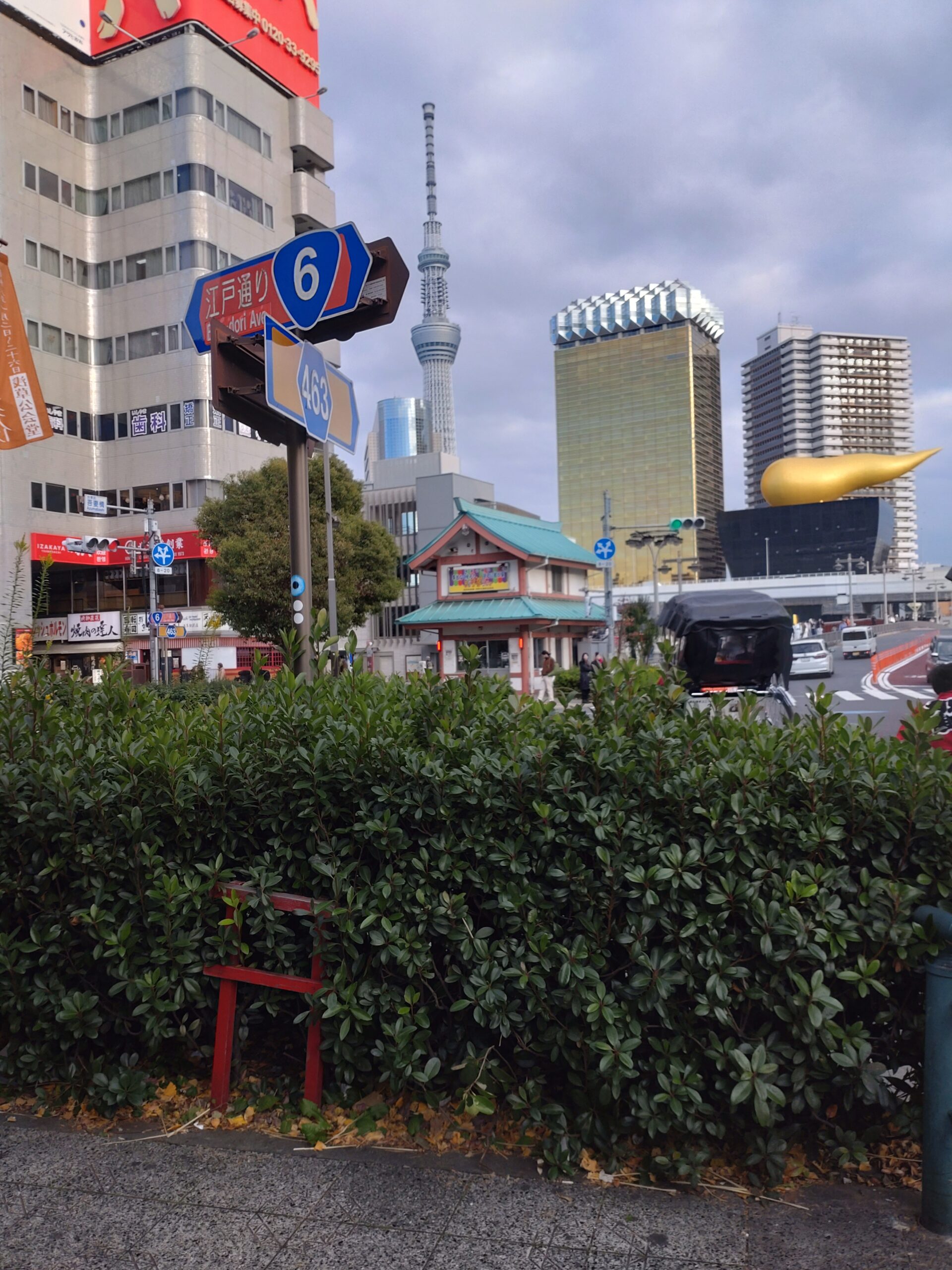
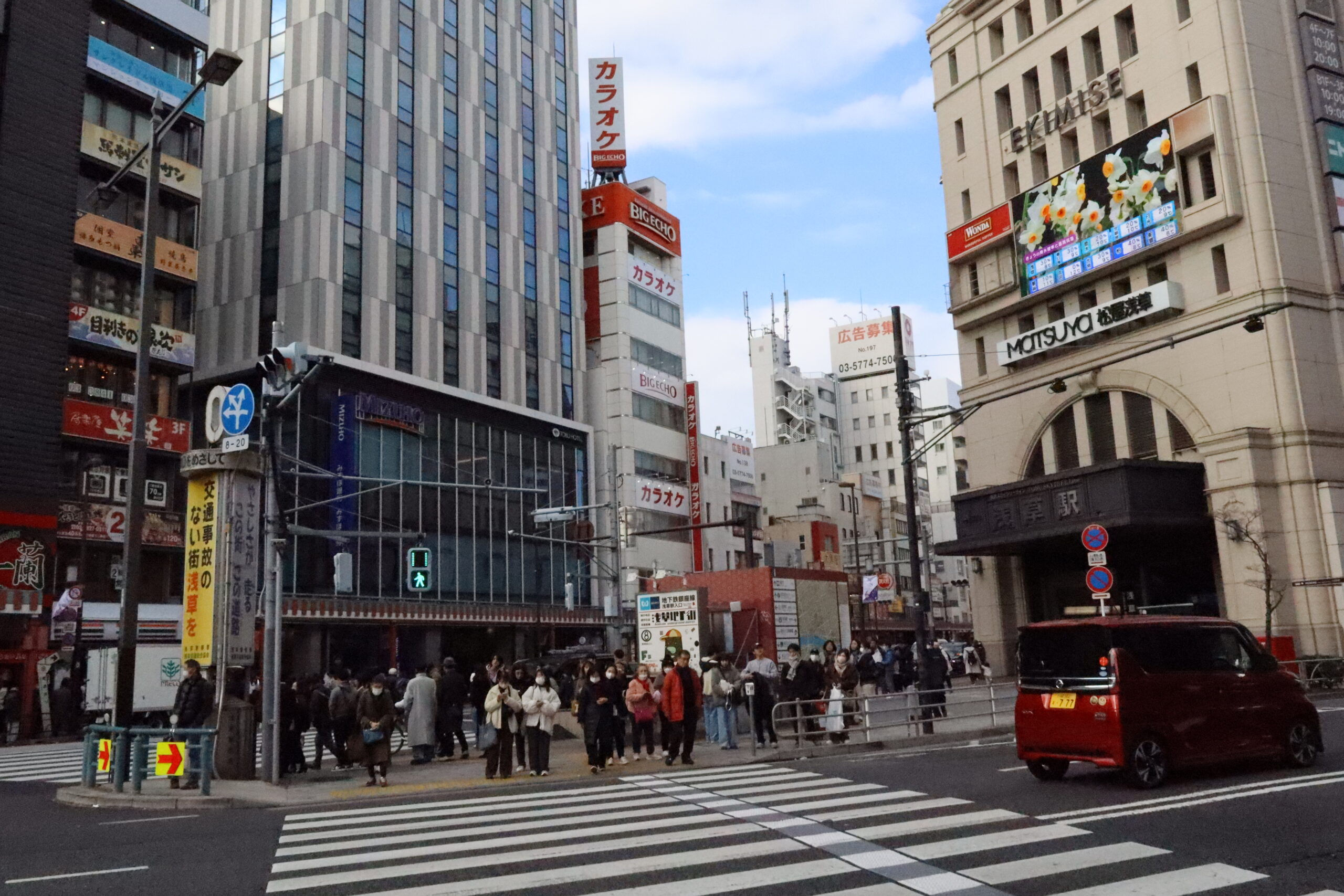
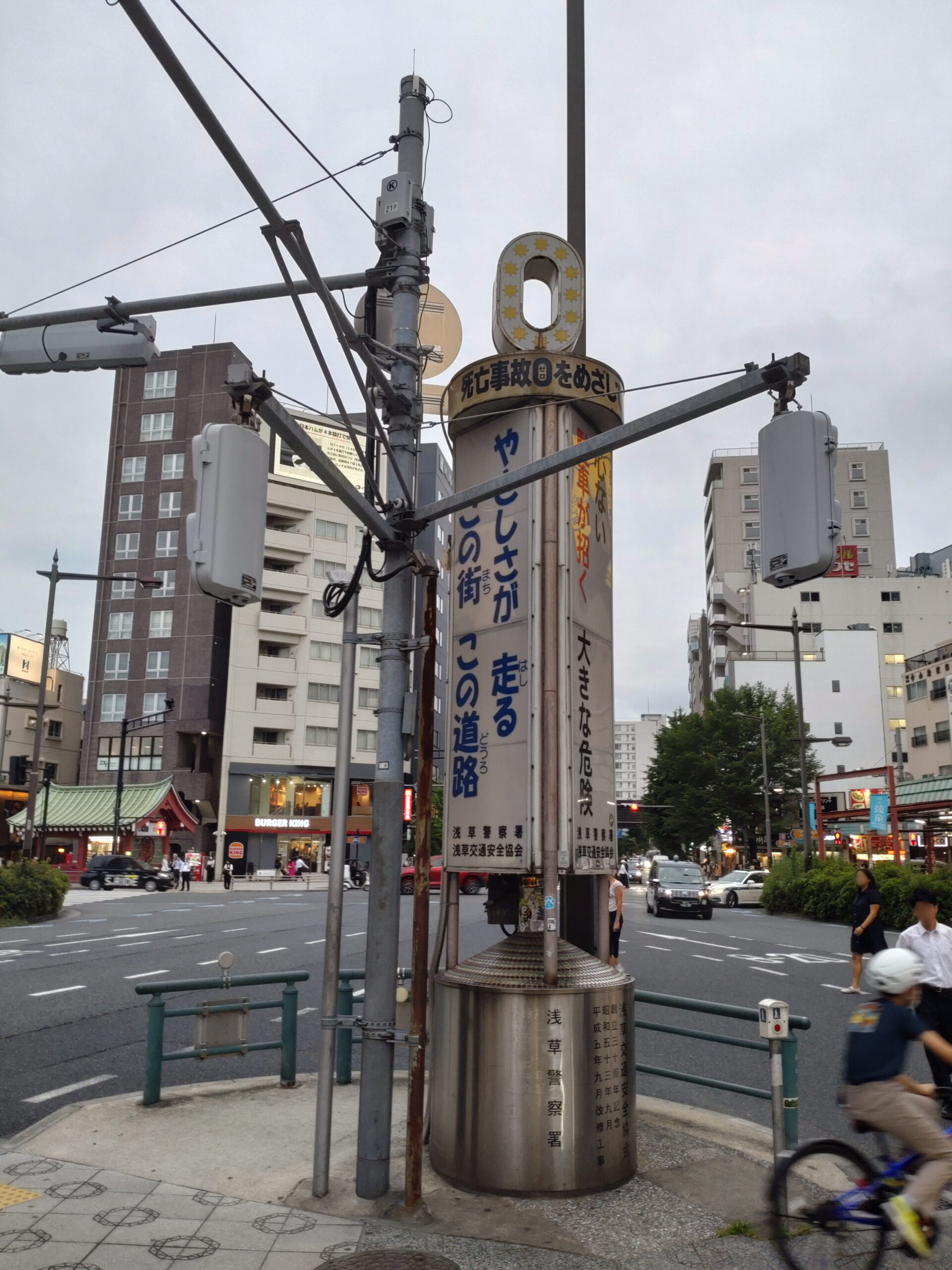
Currently, the front entrance (south exit) of Tobu Asakusa Station (a.k.a. Ekimise, or Matsuya Asakusa) is surrounded by major roads—Kaminarimon, Edo, and Umamichi Avenues—making it look almost like an isolated island on land. However, it was actually the streetcar that first established a station here at this intersection, the West Exit of Azuma-bashi Brdg.
At first, horse-drawn streetcars ran through the area, but they didn’t have specific stations. It was in 1903, when these horse-drawn cars were electrified into proper streetcars, that a so-called “tram stop” was built here at Asakusa Station. This is where the history of Asakusa Station begins.
In 1927, the Ginza Line Asakusa Station opened, and in 1931, Asakusa Station was established as the terminus of the Tobu Isesaki Line.
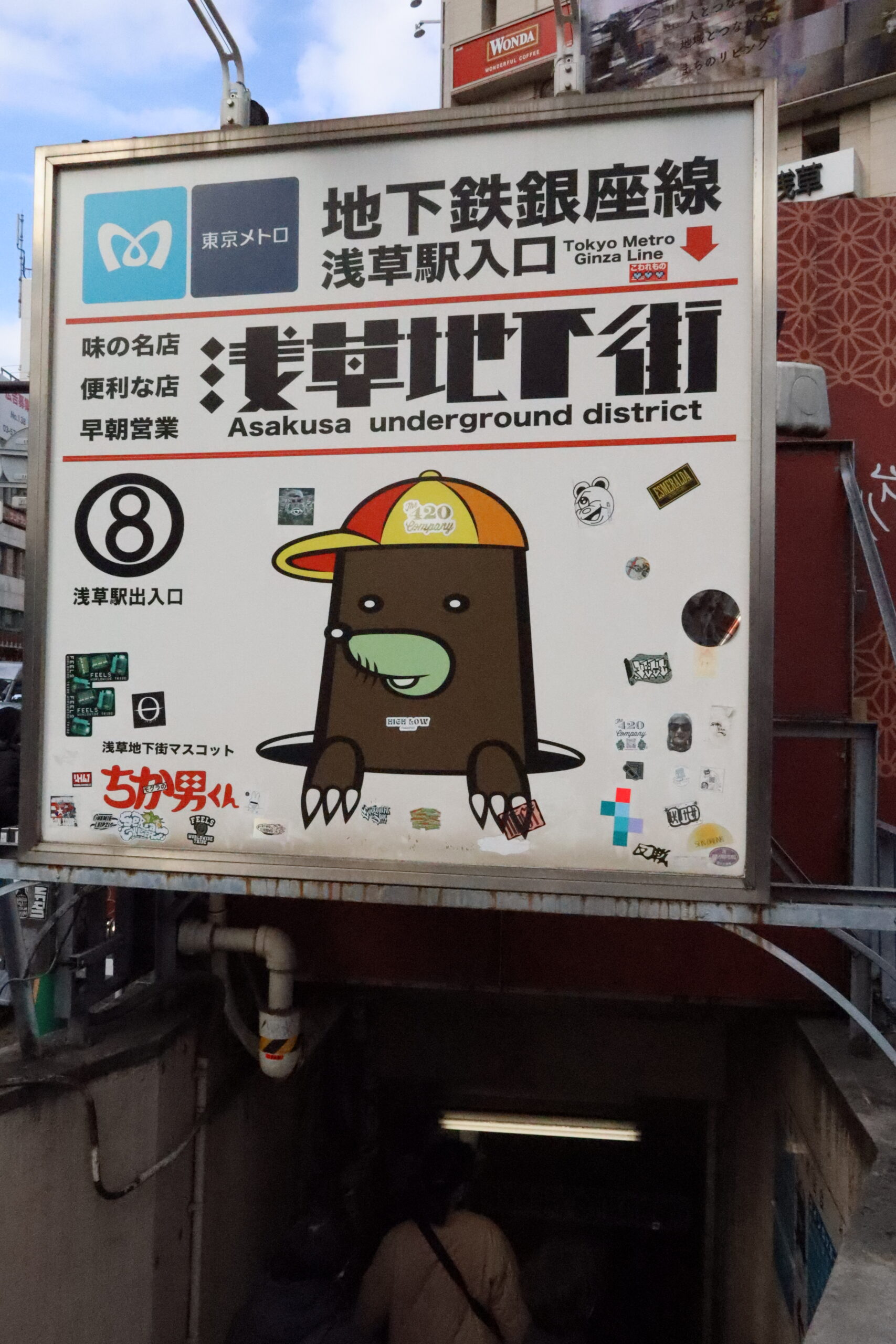
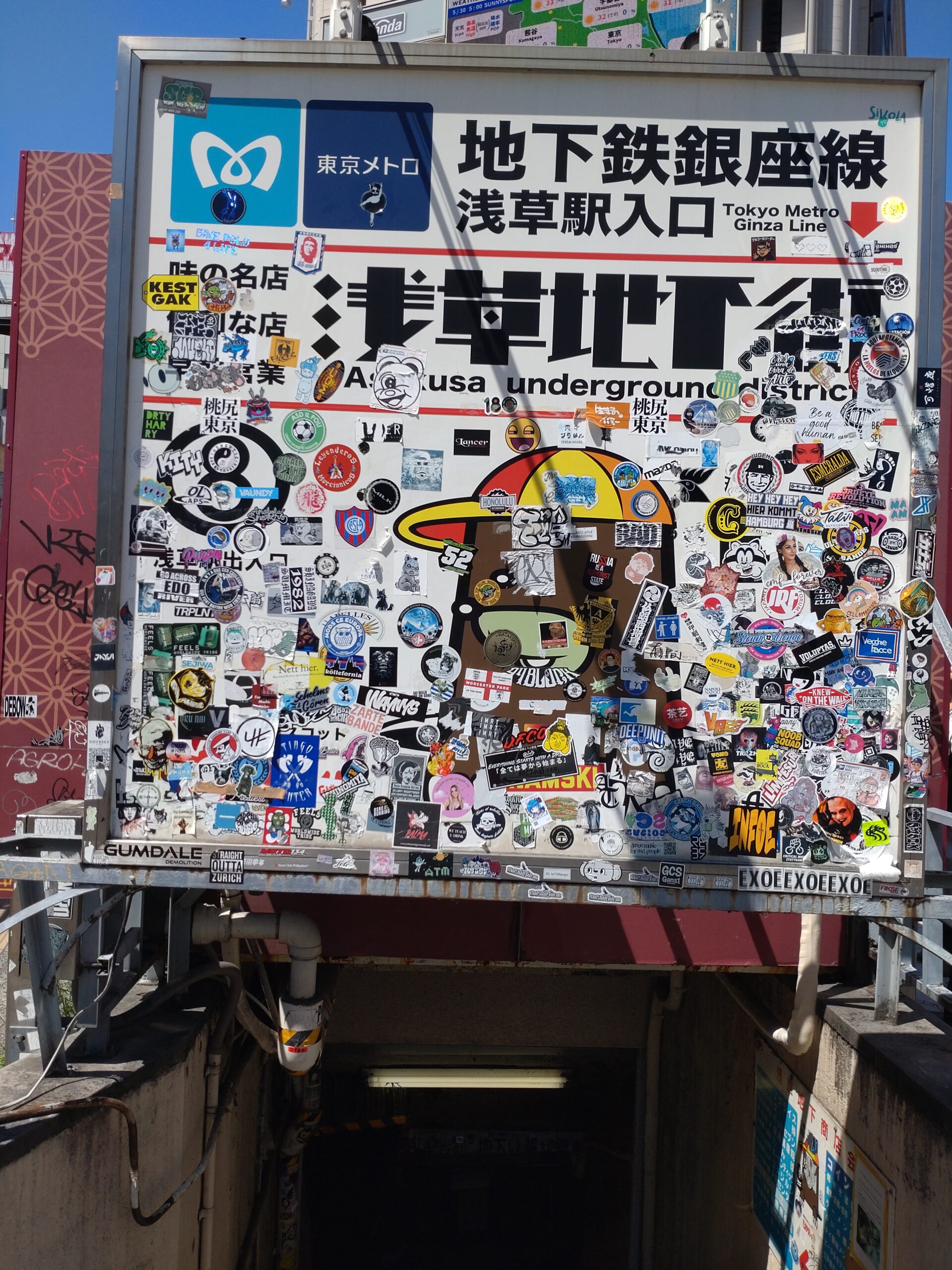
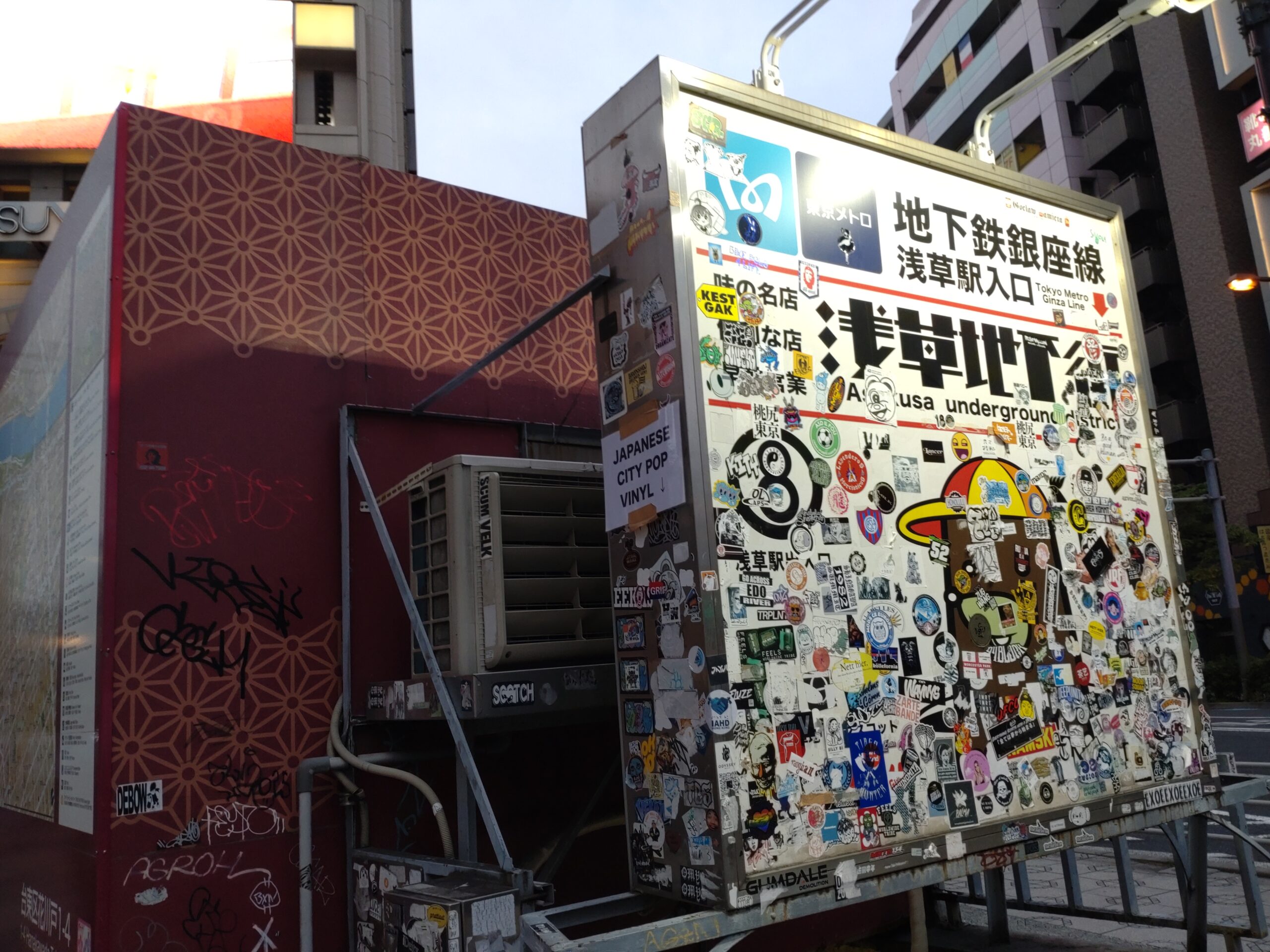
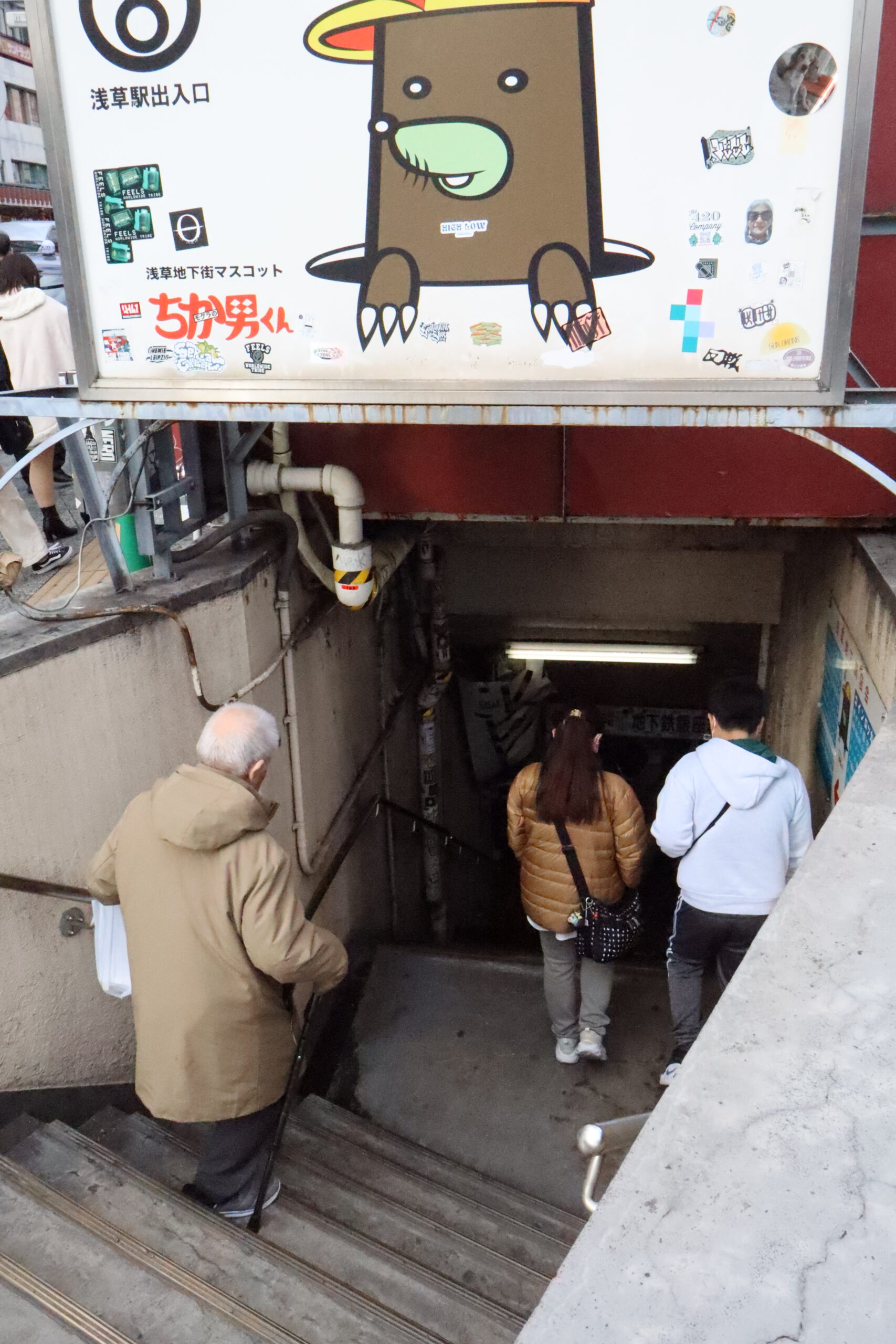
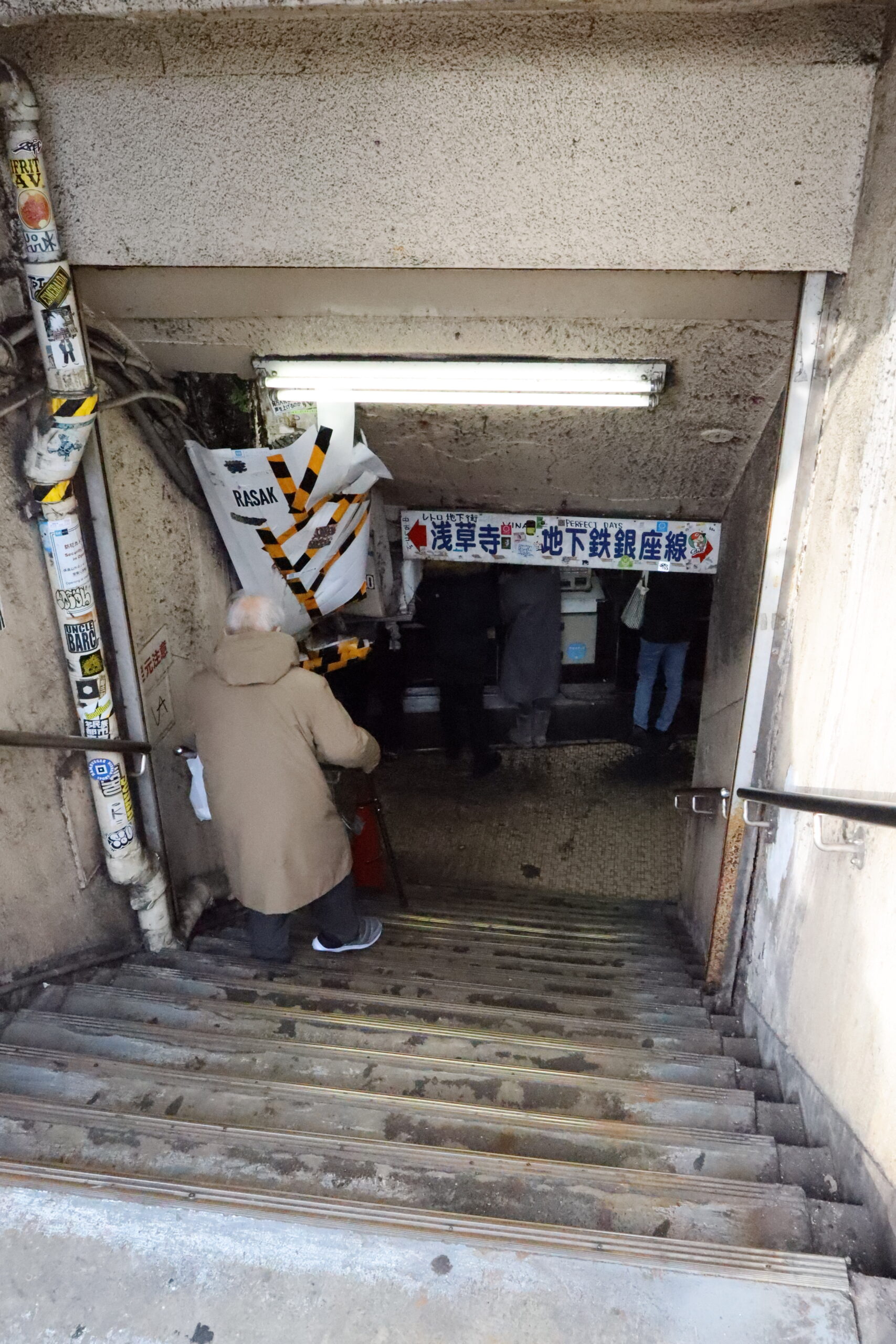
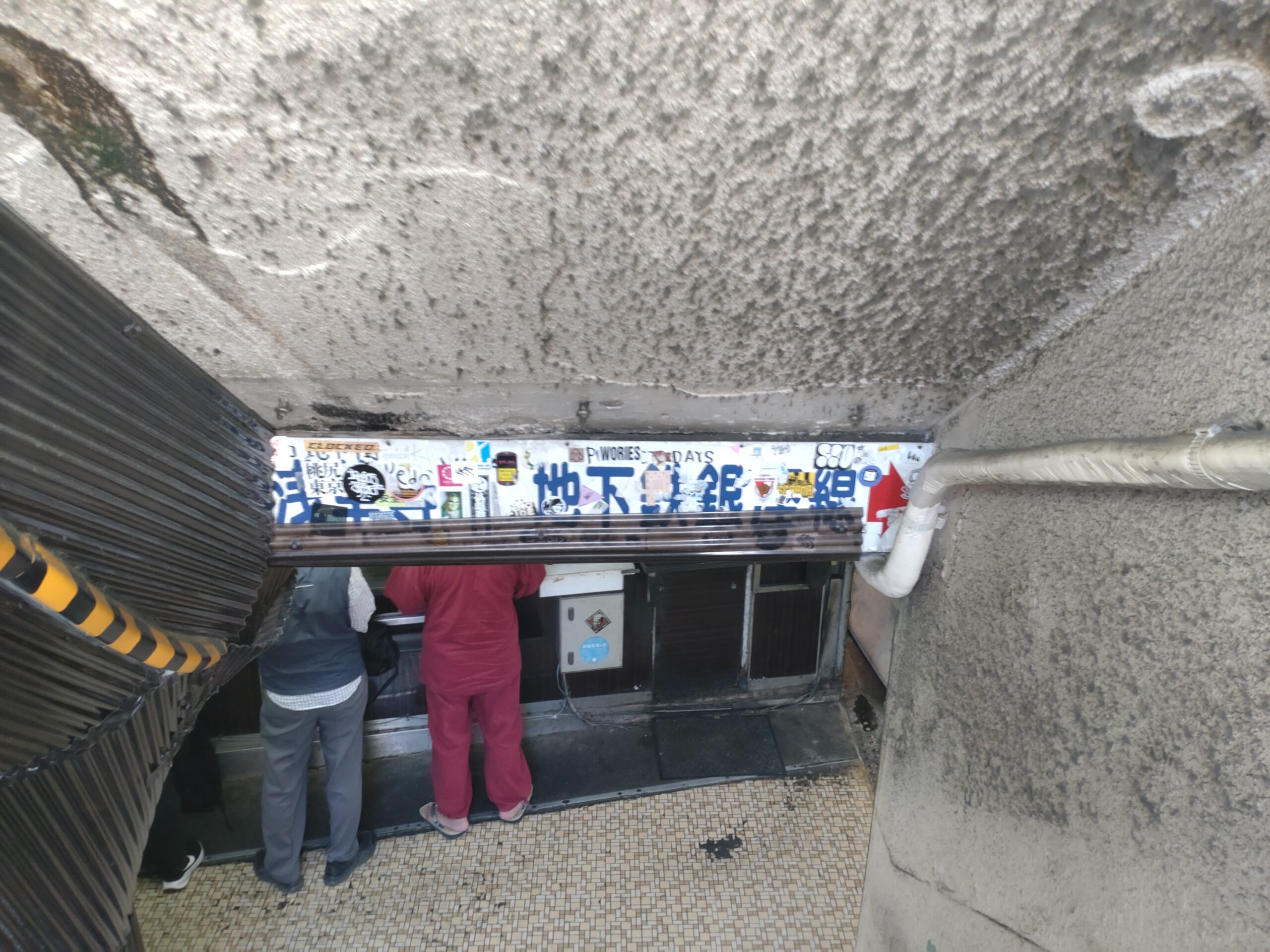
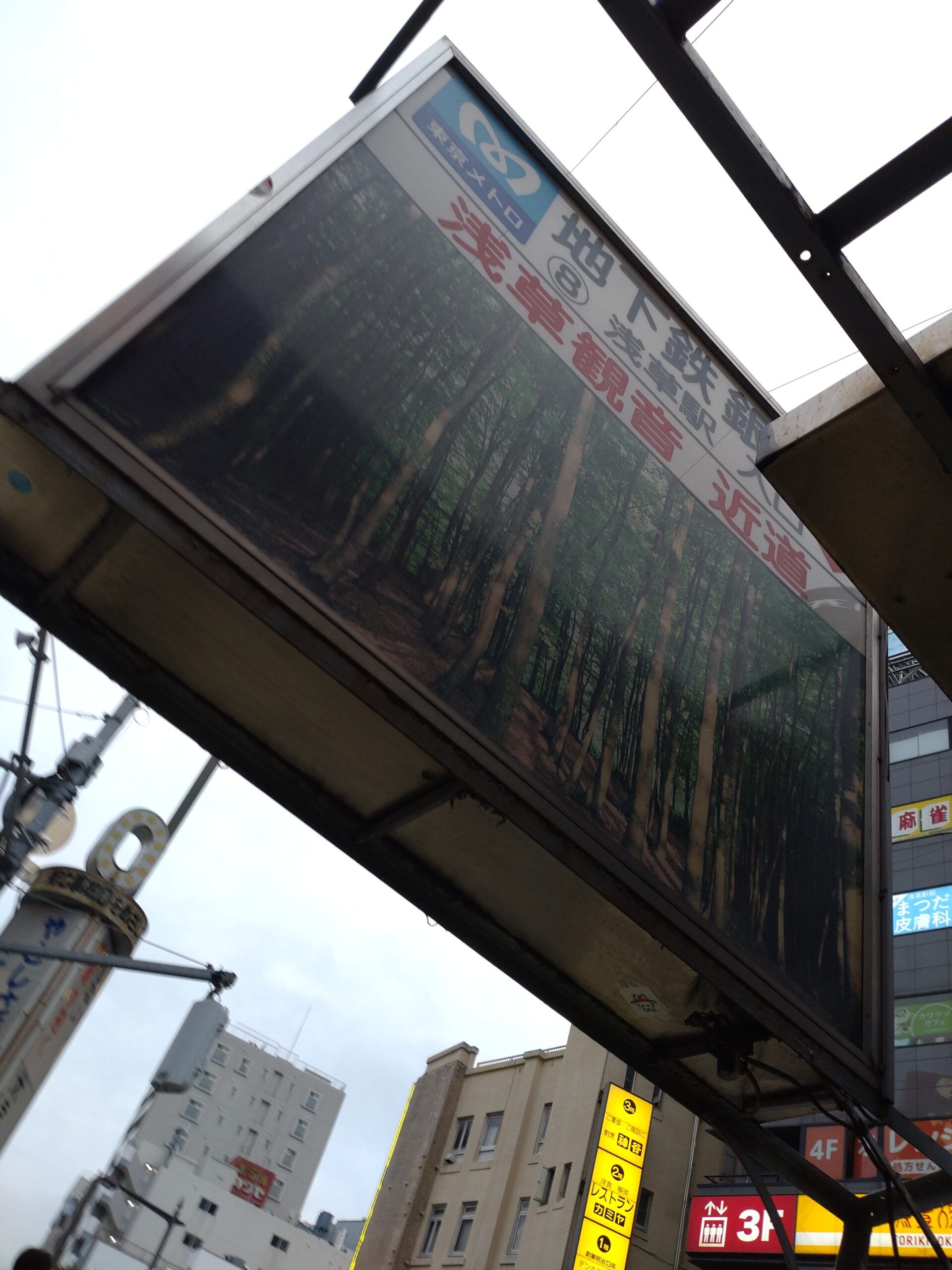
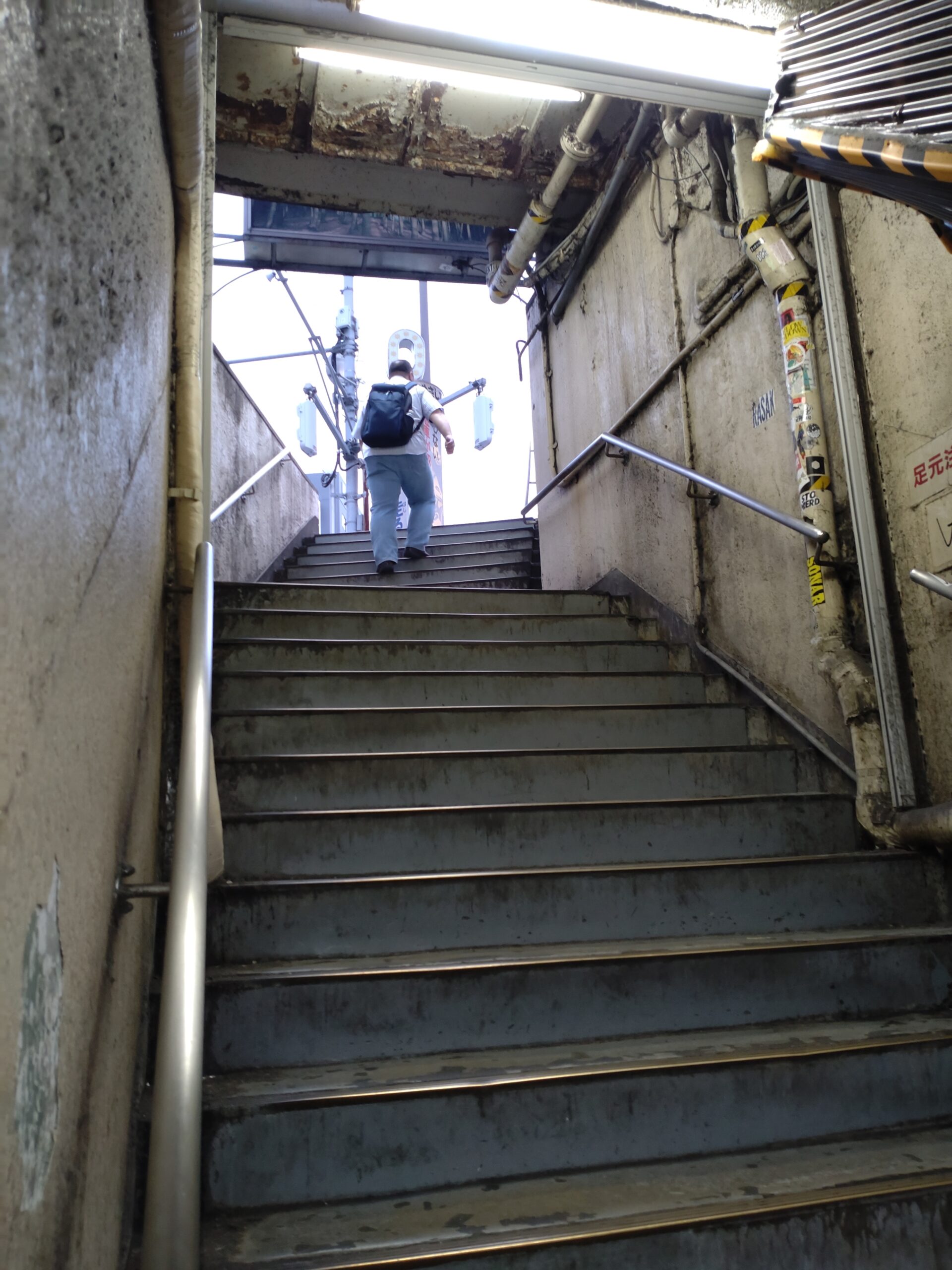
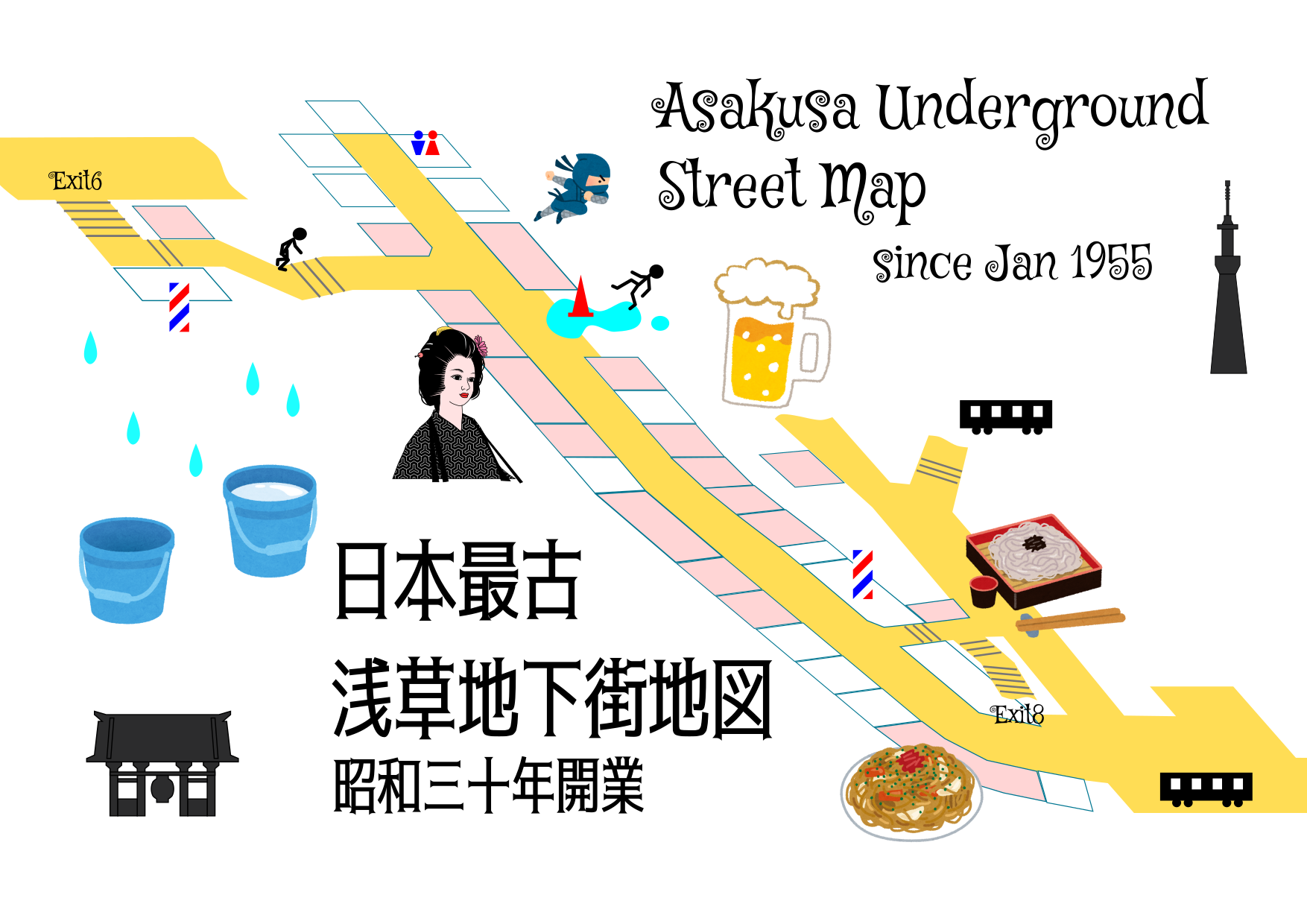
Around 1955, when the Asakusa Underground Mall was built, people could still walk above ground to access Exit 8 of the Ginza Line or Tobu Asakusa Station from the streetcar stations that ran east-west and north-south.
Back then, popular means of personal transport were shared buses and “En-taku” (one-yen taxis). Cars had less horsepower and drove much slower than today, so it was completely normal for people to walk across the streets outside of crosswalks.
However, with the rise of motorization, the streetcars were abolished, and the city became fragmented by roadways.
Around Asakusa, the areas near Uguisudani and Negishi, as well as around the Togenuki Jizo in Sugamo, are particularly dreadful. The streets above ground have been completely taken over by automobiles.


Ekimise Front Entrance
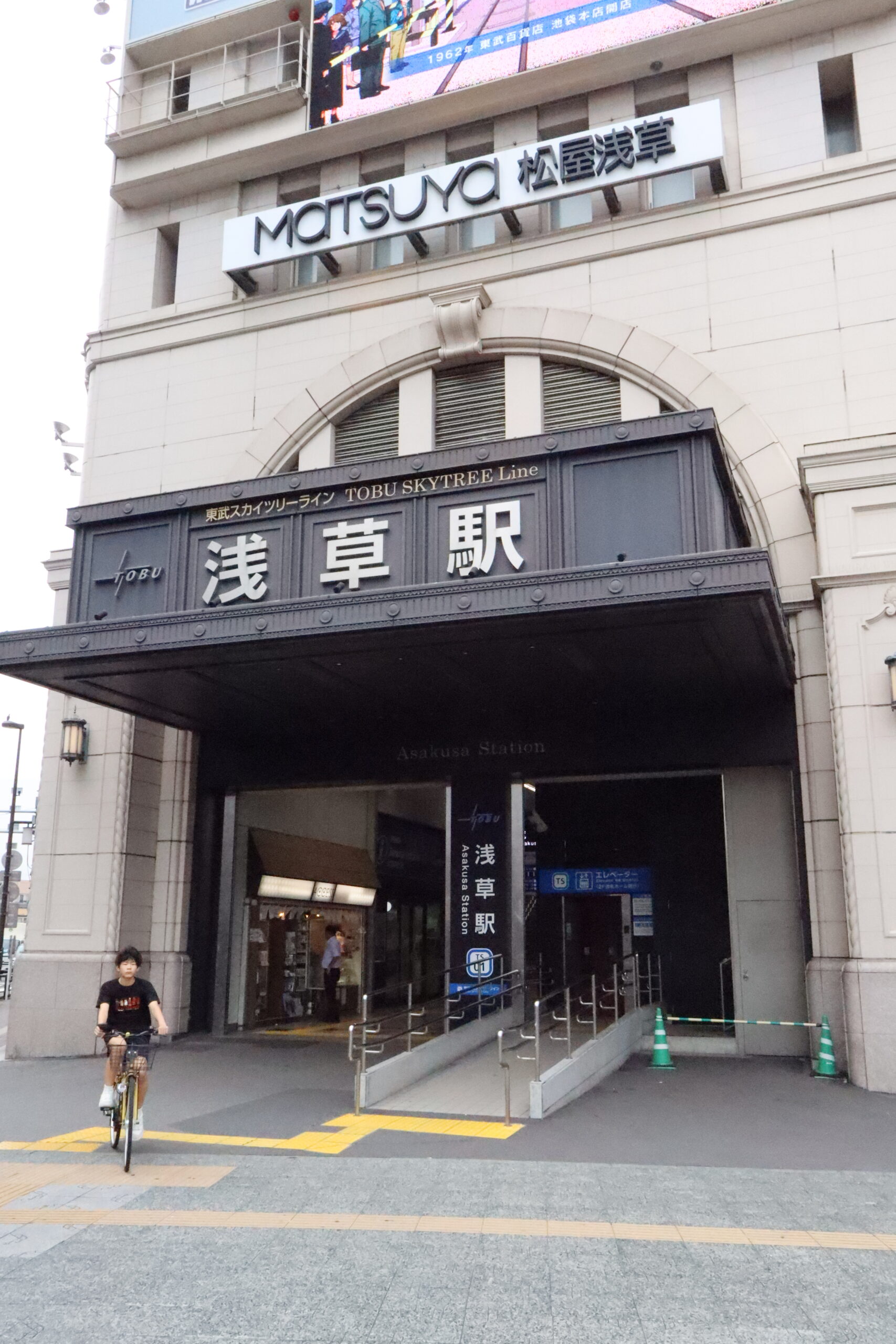
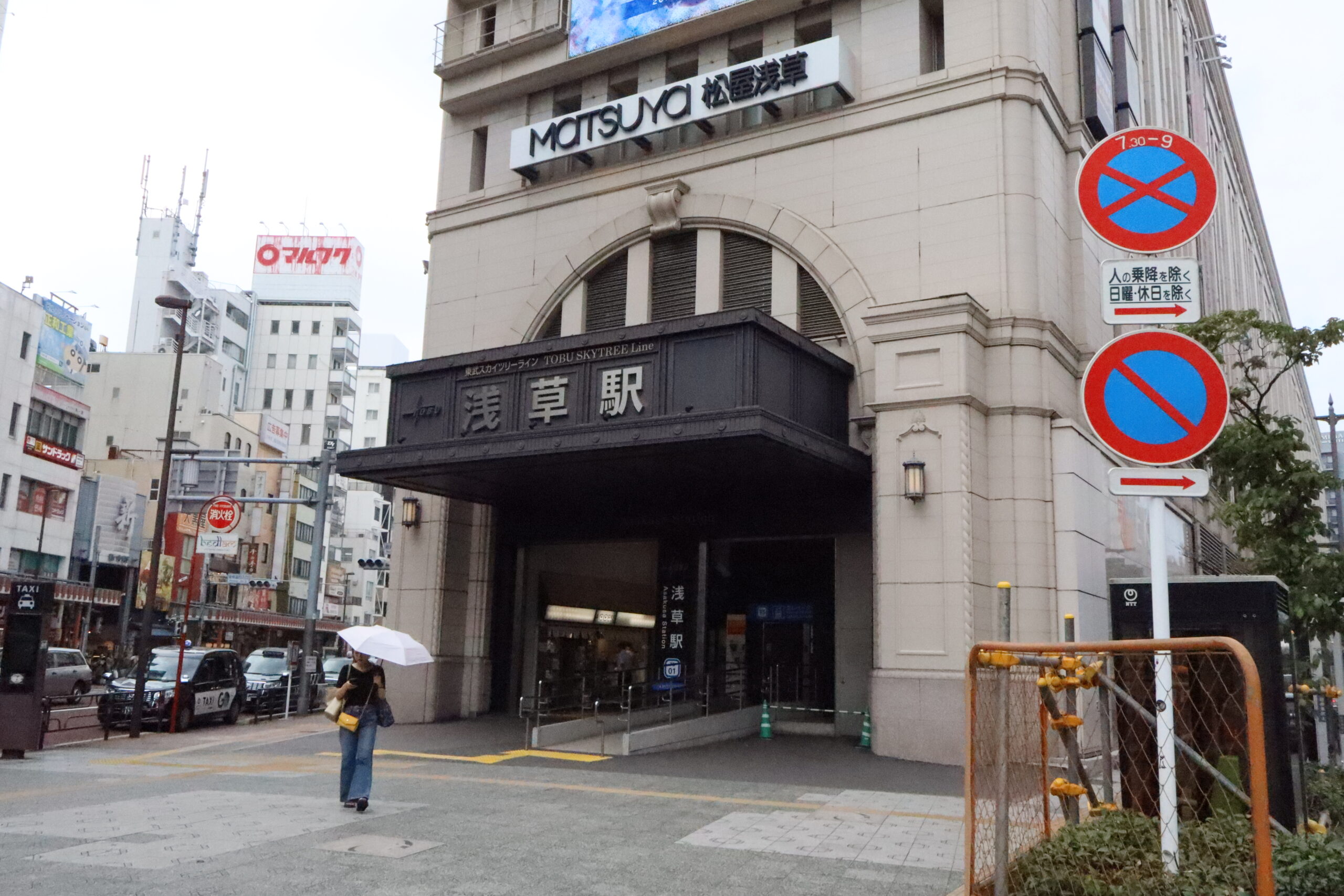
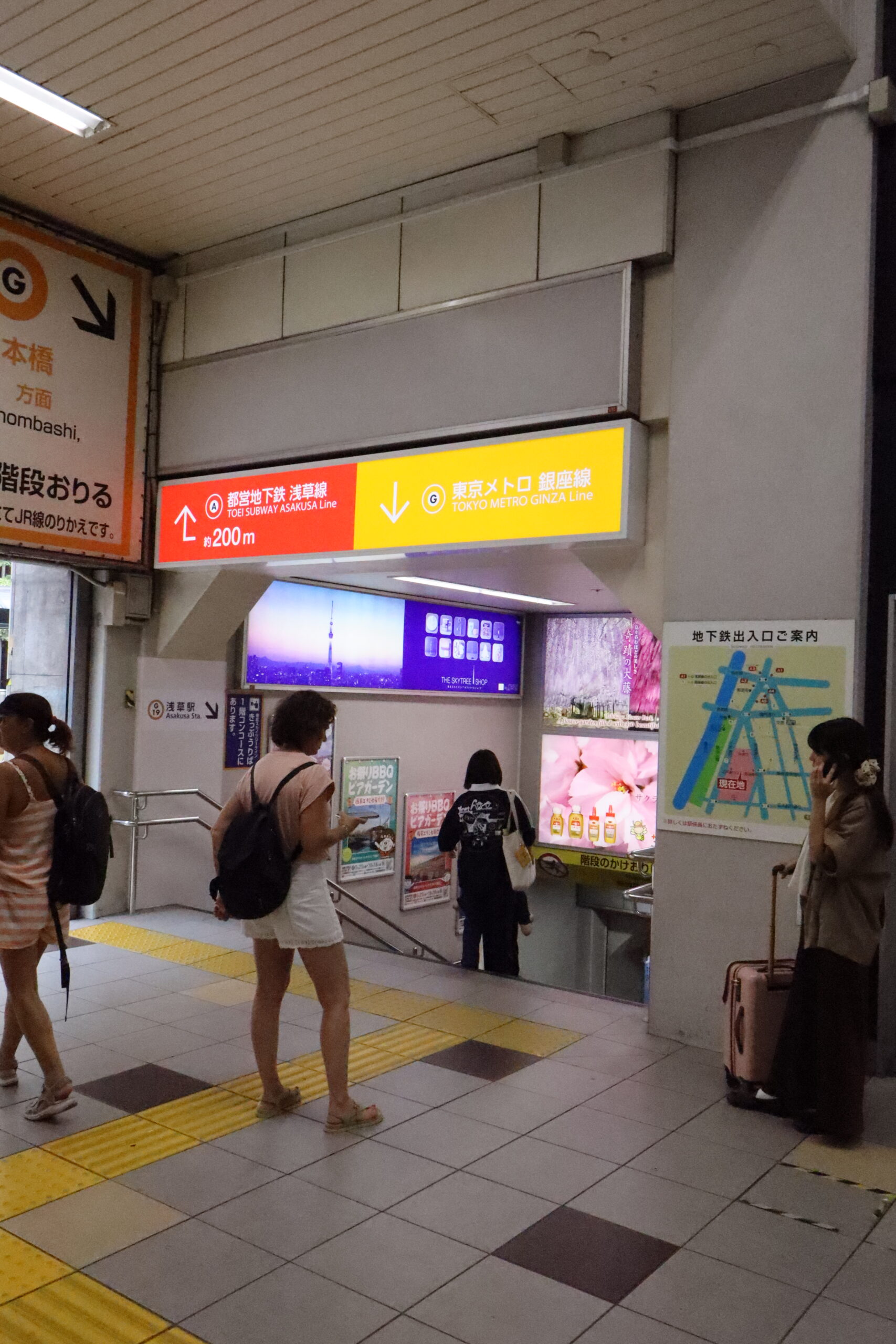
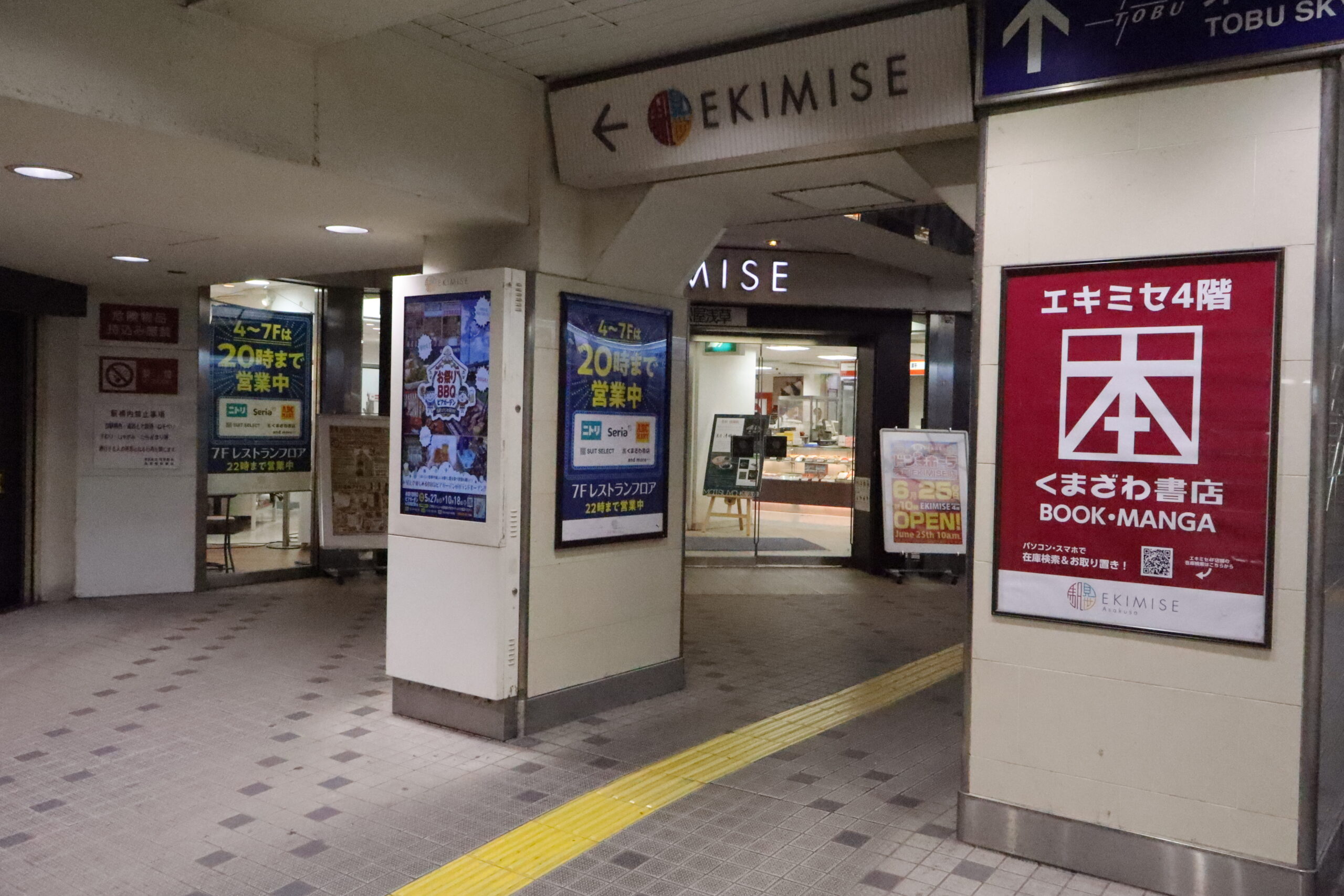
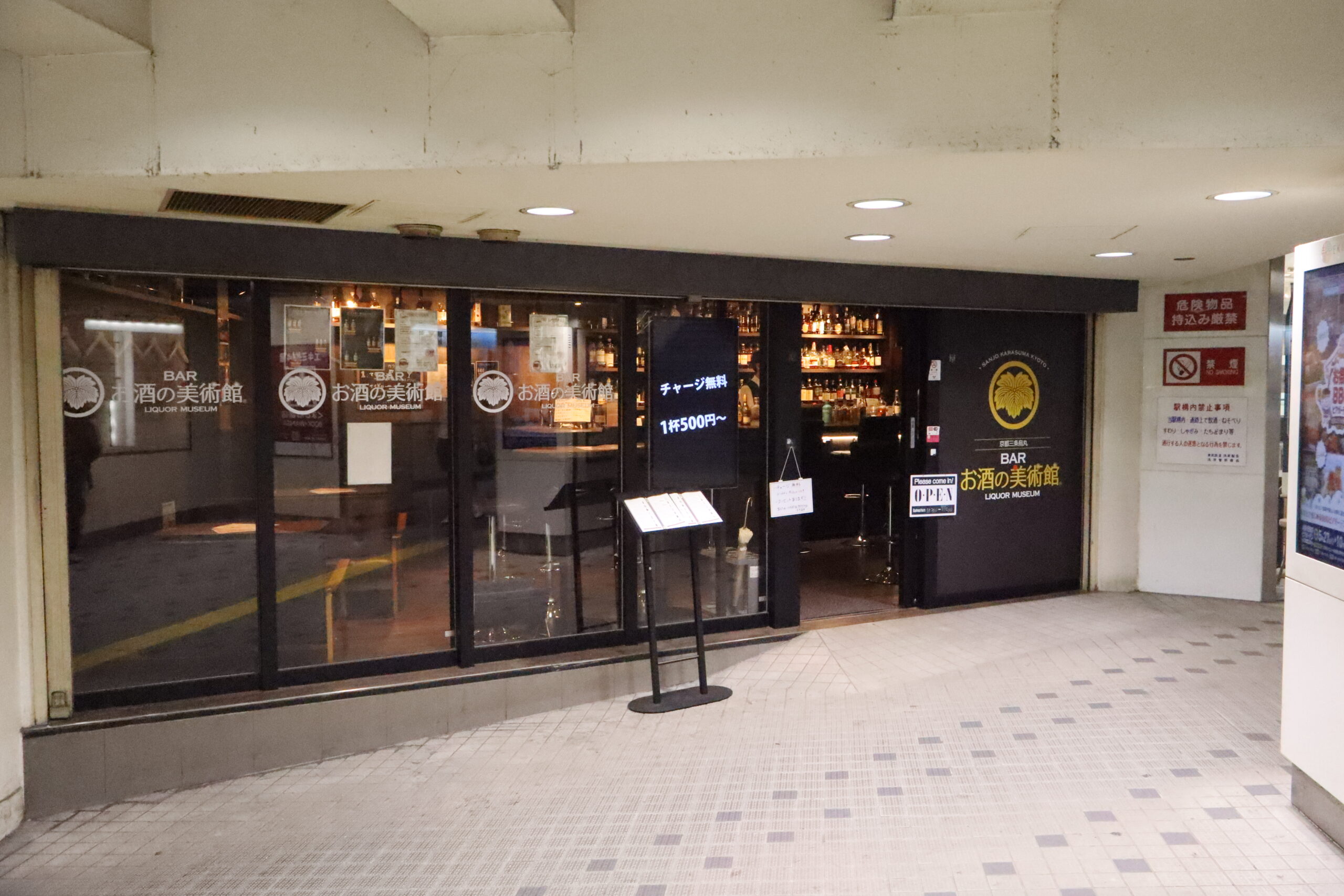
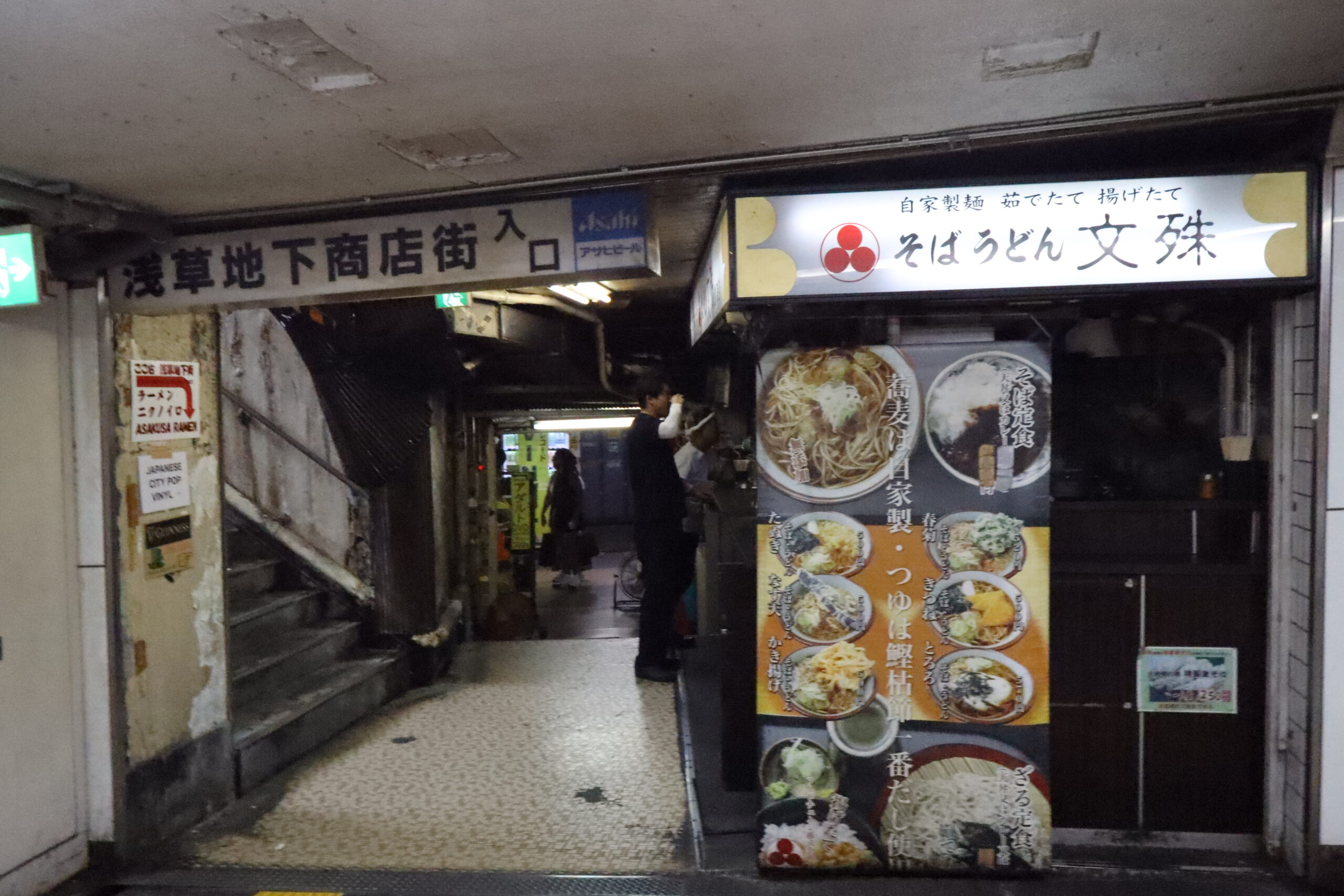
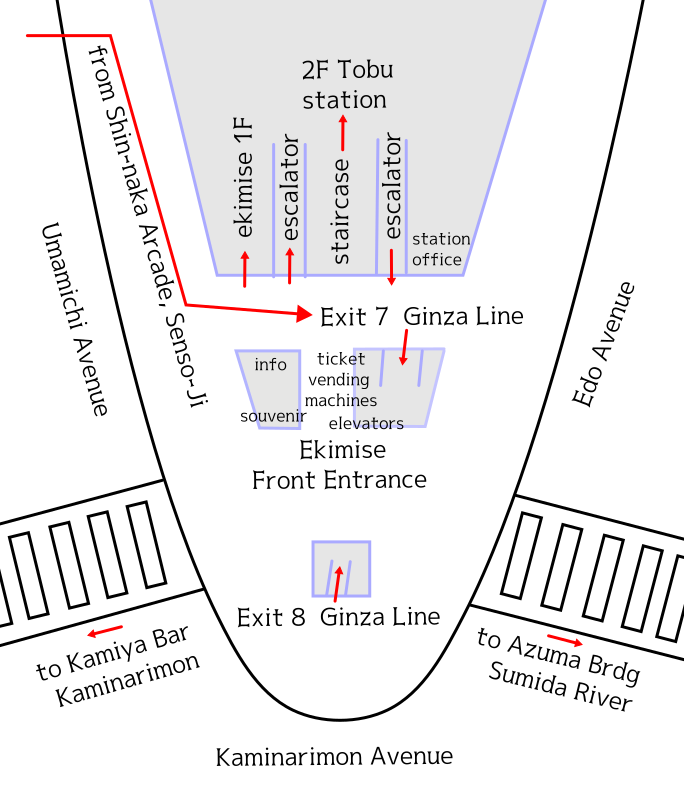
The front entrance of Asakusa Ekimise can be a little confusing.
Once inside, you can take the escalator or stairs up to the Tobu Line station on the 2nd floor, or walk straight through to the 1st floor of Matsuya Asakusa.
Just opposite the escalators, you will find Exit 7 of the Ginza Line. Take the stairs down to the south and follow the concourse to reach the ticket gates.
Outside the main entrance of Ekimise, you will also find Exit 8 of the Ginza Line.
If Exits 6 and 8, as well as the underground shopping street, are closed late at night or early in the morning, you can use Exit 7. To get there from Senso-ji Temple, go through the Shin-Nakamise Arcade (You can also take Exit 1 or 3. See the undergroud map).
Along the concourse to the Ginza Line, you will find the “Liquor Museum” (bar) and “Monju” soba stand.
Mystery of Exit 8
Why do you think Exit 8 was built in such an isolated spot, far from everything else?
When exactly was Exit 8 constructed? Did it exist from the very beginning when the Ginza Line opened? Or was it added last, at the time the Asakusa Underground Mall was built?
A clue can be found in the existence of Exit 6. It is hard to imagine that Exit 6 was built later than Exits 7 and 8. Furthermore, looking at photos of the Asakusa Matsuya station building from the time of its initial opening, Exits 7 and 8 do not appear to have been built yet. Additionally, the structure of Exit 8 looks very much like a mere appendage to the underground mall.
From these points, one can infer that Exit 8 was likely built in 1955 along with Exits 6 and 7 and the underground mall.
But what about the underground passageway connecting the ticket gate of Ginza Line to the Matsuya basement and Exit 5? They might have been built in 1931 when the station building was constructed.